竹島問題の歴史

14.5.08

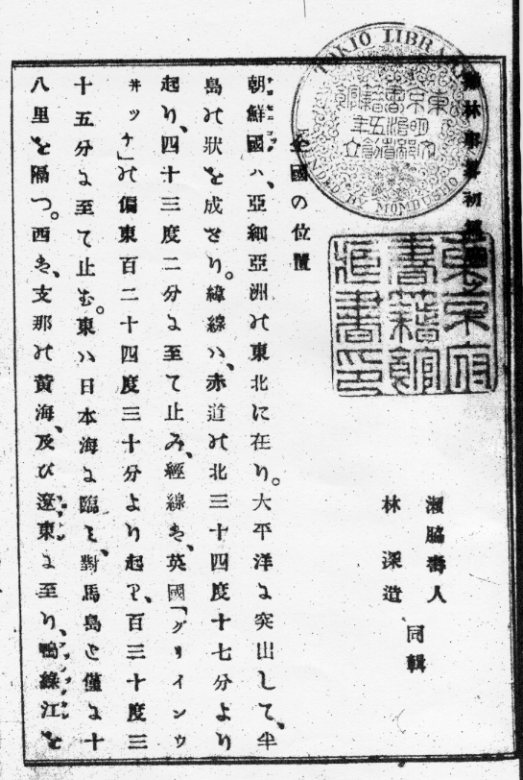
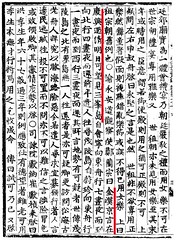
1876 - "Keirinjiryaku(鶏林事略)" by Sewaki Hisato (瀬脇寿人)excludes Takeshima/Dokdo from Choson

Sewaki Hisato was official of the Japanese Ministry of Foreign Affairs (MOFA) and a Dutch scholar. Later, he also became one of the first English scholars in Japan. He was stationed as the first trade secretary (practically a consul) at the Japanese trade office in Vladivostok in 1876. While there, he wrote a book entitled, "A Short Treatise on Korea" (鶏林事略), which was published in 1876 (明治九年).

In the book, he said that the eastern limit of Korea's border was at 130°35’E. That suggests that Sewaki believed Liancourt Rocks (Takeshima/Dokdo) to be outside Korean territory.

The following is an excerpt from the book:

朝鮮国は、亜細亜洲の東北に在り。太平洋を突出して、半島の状をなせり。緯線は、赤道の北三十四度十七分より起り、四十三度二分に至て止み、経線は、英国「グリインウヰッチ」の偏東百二十四度三十分より起り、百三十度三十五分に至て止む。

---------------------------------------

The country of Joseon is located in northeast Asia. The shape is a peninsular sticking into the Pacific Ocean. The latitude starts from 34°17’ north of the equator and stops at 43°2’. The longitude starts from 124°30’ east of Greenwich, England and stops at 130°35’.

This is the oldest Japanese book found so far to mention the latitude and longitude of Joseon Korea. Many books followed his writing style later on, but, unfortunately, there is no information on what sources Sewaki used to quote Joseon Korea's longitude and latitude.

The "Keirinjiryaku" was co-authored by Hayashi Shinzo (林深造). This is an encyclopedic book on Joseon that consists of two volumes. The first volume contains such general information as geography, customs, and population. The second volume focuses on military information.

A Mr. Kim In-seung (金麟昇) helped Hayashi by gathering and selecting Joseon books for references. Mr. Kim, who was from Gyeong-heung-bu in Joseon's Hamgyeong Province (咸鏡道慶興府) got acquainted with Sewaki in Vladivostok, but he later stayed in Tokyo with the help of Sewaki. Interestingly, Sewaki and Kim co-authored "The Full Map of Chosun(朝鮮国全図)", which depicted Usando (于山島) to the west of Ulleungdo (鬱陵島).

Sewaki is also known for having submitted, from Vladivostok, the request applications to develop Matsushima (松島), which resulted in the compilation of the "Takeshima Kosho (竹島考証)" between 1876 and 1877.

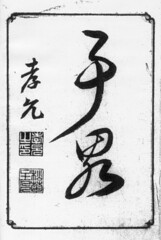
Kido Takayoshi (木戸孝允), who played a large role in the establishment of the new Meiji government, wrote the title for Sewaki's book. Mr. Kido was one of many students who had attended Sewaki 's private English school.

10.5.08

No Korean Fishermen on Ulleungdo in 1901

On the left is a picture of a Korean history book on Dokdo and Ulleungdo entitled, "The History of Dokdo & Ulleungdo" (독도, 울릉도의 역사), by Kim Ho-dong (김호동), who is the head of the Dokdo Research Center at Yeongnam University in Korea.

Even though Mr. Kim makes many of the same wild assumptions and jumps to many of the same wrong conclusions as Korea's other "Dokdo" researchers, he does present a great deal of useful information in the book, especially on the settlement of Ulleungdo after Lee Gyu-won's inspection mission in 1882.

In a section of the book entitled, "The Truth of the Settlement of Ulleungdo and its Settlers" (울릉도 개척의 실제와 이주민 실태), there is a paragraph on pages 157 and 158 that I have translated below:
From the beginning, the settlers avoided the seashore and went deep into the valleys to continue the same kind of farming life they had had on the mainland. They plowed fields they had slashed and burned, built dugouts, and worked hard until the winter, but the only thing they got in return was cold and starvation. They could not return to the mainland, so it is said that one after another they starved to death. Actually, if you look at an April 29, 1902 article in the Hwangseong Sinmun (皇城新聞), it says that among the August 1901 Customs Official Dispatch (海關派員士) articles, there was an article that said, “The Japanese population is about 550 people, who are all shipbuilders/loggers (造船伐木者)…. The Koreans are about 3,000 families, but they are all tenant farmers (佃戶農氓).” From this we can know that most of Ulleungdo’s residents at the time were farmers who lived a difficult life of jeon-ho, that is, tenant farming. At that time, they survived on wild edible greens and ggak-sae (a kind of seabird), which were their salvation. In spite of suffering this kind of starvation, it is said that the settlers would not fish. Even though the Japanese were gathering abalone and squid from right under their noses, the settlers did not take notice, and if their children tried to imitate the Japanese by trying to fish, they got their calves beaten until they bled in order to stop them from imitating disgusting sailors. It is said that the people on Ulleungdo did not start trying to fish until after the start of Japanese imperialism. Through testimony saying that the settlers shunned fishing because they came as emigrant farmers, we can determine that instead of Ulleungdo fishermen taking the lead in fishing the waters around Ulleungdo and Dokdo, Japanese fishermen, violating international law, illegally took the lead. We probably have to view the ill-conceived settlement policy at the time as what finally led to Japan’s declaring Dokdo ownerless in 1905 and incorporating it into her territory.
---------------
개척민들은 처음부터 해변을 피하고 깊은 산골로 들어가 뭍에서와 같은 농촌생활을 이어가려고 했다. 그들은 화전을 일구고 움막을 짓고 겨울이 오기 전까지 열심히 일했으나 찾아온 것은 굶주림과 추위였다. 육지로 되돌아갈 수도 없어 굶어죽는 사람들이 잇따랐다고 전한다. 실제 “황성신문”[皇城新聞] 1902년 4월 29일자의 기사를 보면 1901년 8월 해관파원사(海關派員士) 기사 가운데 “일본인구 약 550인이 모두 조선벌목자 (朝鮮伐木者)이고 (중략) 한민(韓民)은 대략 3,000구에 이르나 모두 전호농맹(佃戶農氓)이라”고 한 것은 당시 울릉도민이 대부분 농업을 생업으로 하고 전호, 즉 소작농으로 존재하면서 어려운 생활을 하였음을 알 수 있다. 이때에 개척민들의 목숨을 이어준 것이 명이라는 산나물과 깍새였다. 이 같은 굶주림에 시달려도 개척민은 물고기를 잡지 않았다고 한다. 일본인들이 코 앞에서 전복과 오징어를 거두어 가도 거들떠보지 않았고 아이들이 일본인을 흉내 내어 고기를 잡으면 종아리에 피가 맺히도록 때려 비린 뱃사람 흉내를 내지 못하게 했다. 그러다가 울릉도 사람들이 고기잡이에 손을 대기 시작한 것은 일본 제국주의시대에 들어와서 이루어졌다고 한다. 개척민이 농업이민이었기 때문에 어업에 종사하는 것을 꺼렸다는 증언을 토해 독도를 비롯한 울릉도 해역의 어업은 울릉도 어민의 주도하에 이루어지지 않고 알본어민들이 국제법을 위반하면서 불법적으로 주도하게 되었음을 알 수 있다. 이러한 잘못된 개척정책으로 인해 결국 1905년 일본이 독도를 ‘무주지(無主地)’라고 하여 자국의 영토에 편입시킬 수 있었다고 보아야 할 것이다.
As you can see from the above paragraph, the Koreans on Ulleungdo at the turn of the century were not fishermen, and even seemed to despise the profession, so they would have had little or no reason or desire to travel to Liancourt Rocks. In fact, the paragraph says that they avoided even settling on the shores of Ulleungdo and would not fish in spite of starving. It also says that the Koreans did not start fishing until "after the start of Japanese imperialism," which stongly suggests that it was the Japanese who first introduced Koreans to Liancourt Rocks (Dokdo/Takeshima). Here is a link to an appendix of a 1902 Japanese trade document, which described Koreans on Ulleungdo in much the same way as Mr. Kim did above.

7.5.08

1656 - "Yojiji (輿地志)" by Ryu Hyung-won (柳馨遠) didn't say "Usan is so-called Japanese Matsushima."

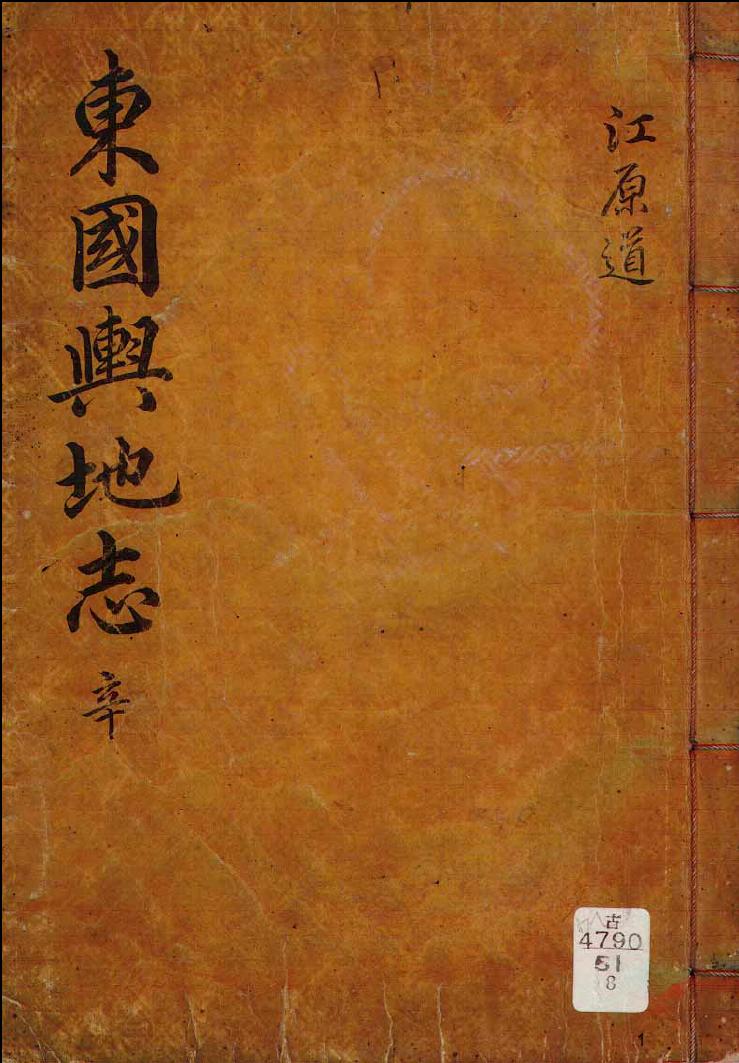
Ryu Hyung-won(柳馨遠 : 1622-1673) is a practical science scholar (実学者 : 실학자) in Choson era. He compiled "東国興地志" or known simply as "Yojiji(輿地志)", the book on a nationwide geography in 1656. ( 柳馨遠's profile from Kyujanggak of Seoul university site : Korean )

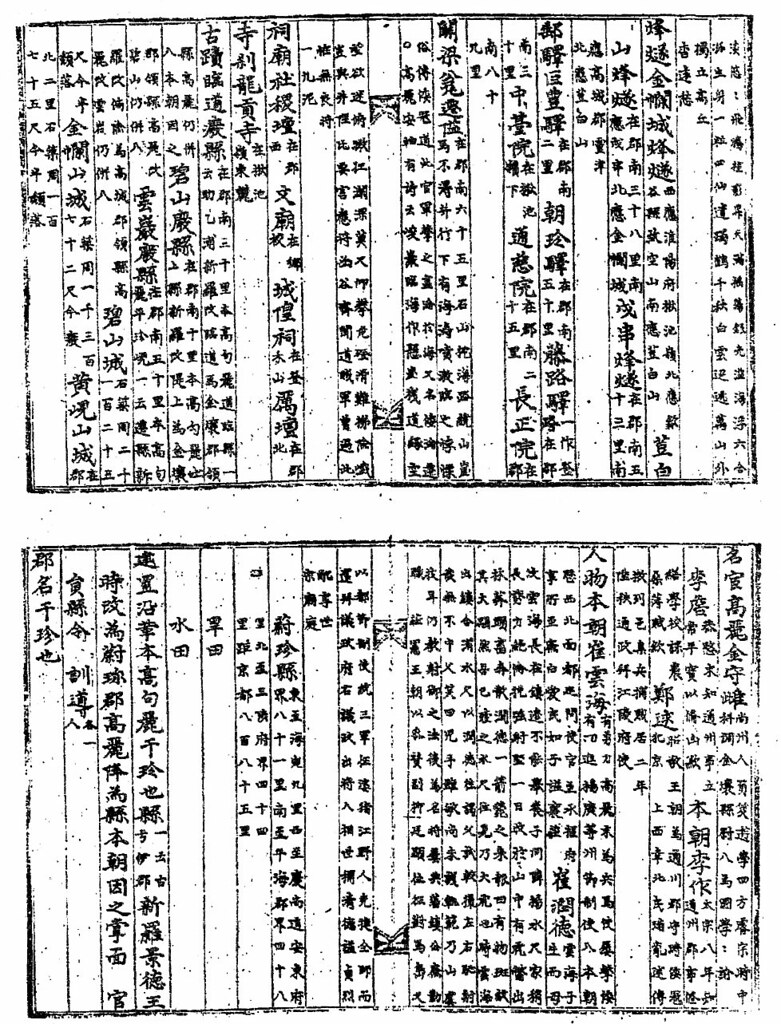
Korean have been insisting that Usando was Japanese "Matsushima" (old name for today's Takeshima/Liancourt Rocks/Dokdo) and it is recorded even before Ahn Yon-Bok's smuggling himself into Japan in 1696 and Japanese document Onshu Shicho Goki (隠州視聴合記)(1667), since there are sentence "According to "Yojiji (輿地志)", Ulluen(do) and Usan are all Usanguk. Usan is Japanese so-called Matsushima." in 「東国文献備考・與地考」(1770) or "Mangi Yoram 萬機要覽"(1808). The book "Yojiji" was thought to be long lost in Korea, but Prof. 呉尚学 of Cheju University found it in 2006. Surprisingly, he confirmed that there was no such sentence as "Usan is Japanese so-called Matsushima " in "Yojiji (輿地志)" just as Japanese researchers had always claimed (Shimojo, 2008).

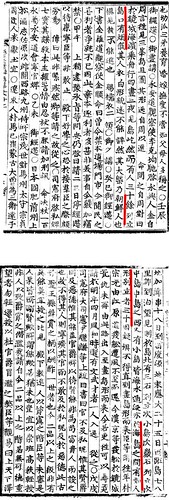
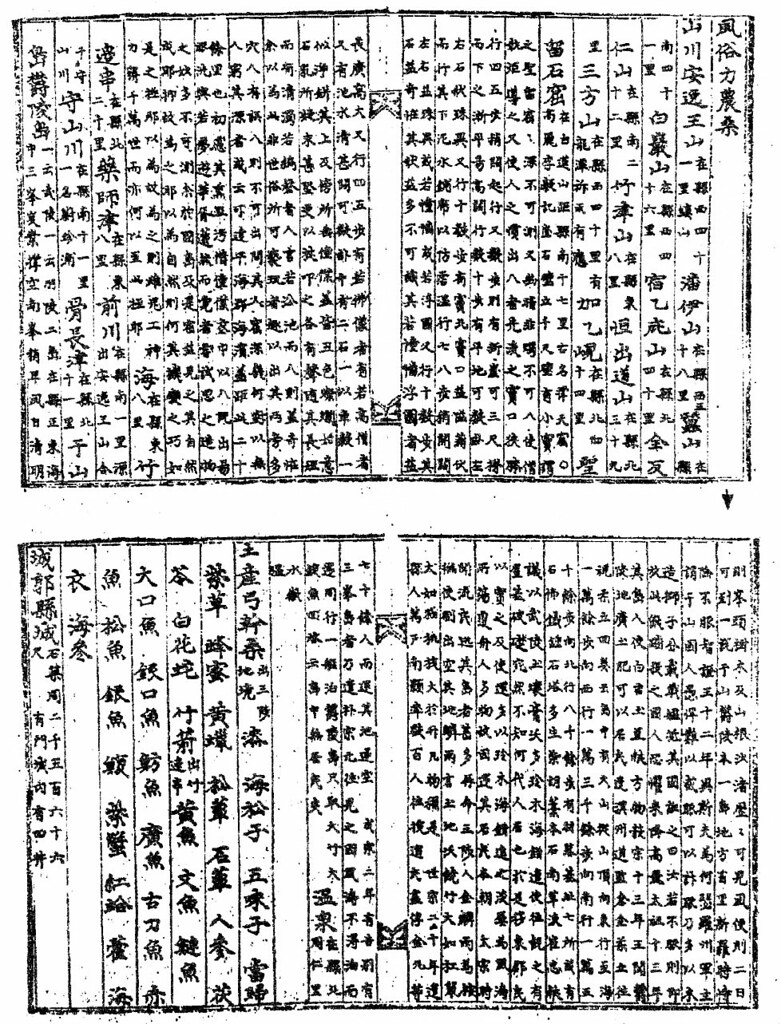
"于山島鬱陵島 一云武陵 一云羽陵 二島在県正東海中 三峯岌嶪撑空南峯梢卑 風日清明則峯頭樹木 及山根沙渚 歴々可見 風便則二日可到 一説干山 鬱陵 本一島 地方百里
(Usando/Ulleungdo are also called both Muleung and U-leung. The two islands are in the middle of the sea due east of the administrative seat. Three peaks shoot straight up to the sky, and the southern peak is a little lower. When it is windy and the weather is clear, you can clearly see the trees on the peaks of the mountains and the sand at their feet. You can travel there in two days with a fair wind. It is said that Usan and Ulleung were originally one island with an area of 100 ri)"(「東国興地志」巻之七 江原道 蔚珍) (Link to the image 1 , 2 )

Apparently, this sentences in "東国興地志" is a copy from "新増東国輿地勝覧".

"于山島鬱陵島 一云武陵 一云羽陵 二島在県正東海中 三峯岌嶪撑空南峯梢卑 風日清明則峯頭樹木 及山根沙渚 歴々可見 風便則二日可到 一説干山 鬱陵 本一島 地方百里"

A clerical error that "According to "輿地志", Usan was so-called Japanese Matsushima", which is actually Ahn Yong-Bok's personal claim started to appear in the books like 「東国文献備考・與地考」(1770) or 「萬機要覧」(1808) after Ahn's Takeshima Incident in 1696. Korean insist that Usando was today's Takeshima/Dokdo based on the sentences from those books. However, if we list related books in order, we can clearly see that Shin Gyong-jun (申景濬), who is the author of 「疆界誌」(1756) and 「東国文献備考・與地考」(1770) inserted his own personal opinion "I think, considering many maps, it must be two island and one of them must be so-called Matsushima" into the middle part of the line "According to "Yojiji" ..." in the former. And he actually altered the sentence as "According to "Yojiji", Usan was so-called Japanese Matsushima" in his next book 「東国文献備考・與地考」(1770). Finally, it started to be requoted by Korean scholars as if it was written in "Yojiji". The books like 「萬機要覧」 and 「増補文献備考 輿地考」, which were published later seems to have succeeded the clerical error by Shin, since the author quoted the sentence in question at second hand, not directly from "Yojiji".

1756 - 申景濬「疆界誌」『旅菴全書』巻之七 「Ganggyego (彊界考) 」十二 鬱陵島

"按 輿地志云 一説于山鬱陵本一島 ( Thinkin about Yojiji, it says that Usan and Ulluen are the same island in one theory,) 而考諸圖志二島也 一則其所謂松島 ( But I think, considering many maps, it must be two island and one of them must be so-called Matsushima,) 而蓋二島 倶是于山國也(and probably two islands are Usanguk.)"

1770 - 申景濬・洪啓禧 「東国文献備考 ・與地考」

"輿地志云 鬱陵 于山 皆于山國地 于山則倭所謂松島也 (Yojiji says that Ulleun and Usan are all Usanguk. Usan is so-called Japanese Matsushima. )"

1808 - 「萬機要覧 軍政篇 (1937 朝鮮総督府)」

"輿地志云 鬱陵于山皆于山国地. 于山則倭所謂松島也" (Yojiji says that Ulleun and Usan are all Usanguk. Usan is so-called Japanese Matsushima. )"

1908 - 李萬運「増補文献備考 輿地考

"輿地志云 鬱陵于山皆于山国地. 于山則倭所謂松島也" (Yojiji says that Ulleun and Usan are all Usanguk. Usan is so-called Japanese Matsushima. )"

Now, it is apparent that when Shin(申景濬) compiled "Ganggyego(彊界考)", he inserted his own opinion and conjecture into original sentence. And 14 years later, he fabricated new sentence making it sounds as if it was directly quoted from "Yojiji", which is not true. Then, Korean documents started to follow and copy this fabricated sentence. It is very unprofessional for Korean government and researchers to claim the disputed island as their territory on the basis of apparent clerical error.

1899年9月23日 - 皇城新聞記事「鬱陵島 事況」

Gerryの投稿の日本語訳です。原文はこちら↓(English) 原文画像あり
"Hwangseong Sinmun" (皇城新聞) 1899 Sep 23: Ulleungdo

以下は、韓国皇城新聞1899年9月23日の記事、「鬱陵島 事況」の私の訳です。記事はまず、鬱陵島の全般的な情報を述べ、次に釜山の税関職員だったフランス人ラポルトが、1899年6月末に島の日本人移住民と商人の問題を調査した報告書の、サマリーを載せています。この記事は、9月16日に大韓帝国外部(外務省)が駐韓国日本代表に、鬱陵島の日本人を排除するように要請した後で書かれたと思われます。

この記事は竹島・独島論争において、最初の次の2行があるので特に重要です。

蔚珍の東の海中に鬱陵と呼ばれる島が一つある。その付属の小六島のうち、もっとも顕著なものは、于山島竹島である。

この2行が、竹島論争において特に重要な理由は、鬱陵島の附属島のうち代表的な(最著)島を于山島竹島という二つの名前を列記して表している点です。つまり、1899年のこの記事は、「鬱陵島の附属島のうち代表的な(最著)島は、竹島《日本名竹嶼)という鬱陵島の東沖約2キロに浮かぶ島で、その島は別名于山島である。」と意味していると考えられます。このことは、于山島が現竹島(Liancourt Rocks)の古名であるとの韓国側の主張を、またもや否定する証拠であると言えます。

ところが韓国の歴史学者は、問題の箇所は一つの島を二つの名前で表現したのではなく、二つの別個の島を表していると主張しています。つまり、「附属小六島のうち、最も顕著なものは、于山島と竹島(日本名竹嶼)である。」という意味だというのです。しかし、 "于山島竹島"を"于山島と竹島(竹嶼)"と訳すことの問題点は、 この記事は 他の部分では名詞を羅列するときには、"と (과/와) "や読点(、)がよく使われているのに、"于山島竹島"では"于山島と (과/와) 竹島"のように、二つの名称を分割するための言葉"と (과/와) "が使われていないのです。例をいくつか挙げてみます。

所産은 柴胡, 藁本, 石楠, 香木, 槻木, 蘆竹
産物は柴胡、藁本、石楠、香木、槻木、蘆竹

香木과 蘆竹
香木と蘆竹

船匠商客과 漁人耕夫가
船大工商人と漁師農民

薯와 豆
芋と豆

上年所穫이 薯 二萬包, 大麥 二萬包, 黃豆一萬包, 小麥五千包이오
昨年の収穫は芋二万袋、大麦一万袋、黄豆一万袋、小麦五千袋

材木은 老年巨杉과 各種貴重寶木이 亦多하고
材木は巨木の杉などの各種貴重材が多数

注意して頂きたいのは、上記の例において、3つ以上のものを列挙するときには読点が、二つのものを列挙するときには"と (과/와) "が使われていることで、従来の古文献で通例であった句読点無しの列記を止め、近代的な句読点法を採用しようとしていることが窺えます。つまり、もしこの記者が于山島と竹島(竹嶼)と二つの別々の島であると表示したかったならば、これらの例のように"于山島竹島"のかわりに"と (과/와) "を使用したに違いありません. (例 : 于山島와 竹島)

もちろん、複数の名詞を分けるのに読点が使われていない例も散見されます。しかし、その場合はそれぞれの名詞が意味的に同じか、もしくはまったく違うものか、いずれにせよ名詞間に曖昧さがないのです。しかも、こうした読点や"と (과/와) "が無い例は全て記事の後半、大韓帝国内部(内務省)に提出された報告書、つまり外国語で書かれた文章を官僚が独自の方法で訳したものの要約の中でのみ見受けられるのです。この記事を書いた記者はおそらく内務省の翻訳をそのまま書き写したのでしょう。

"于山島竹島"が2つで無く1つの島を指していることの更なる証拠として、鬱陵島を韓国の江原道の郡の一つに定めた、1900年の大韓帝国勅令第41号が挙げられます。その中では、竹島(竹嶼)は鬱陵島の附属島のひとつとして挙げられていますが、于山島は名前がありません。そのことはつまり、于山島が単なる竹島(竹嶼)の別名であることを示唆しており、韓国の古地図や古文献でもそのことが確認できます。

いずれにせよ、たとえ"于山島竹島"が二つの個別の島を指していたとしても、どちらの島も現竹島(Liancourt Rocks)を指していたことはありえません。というのも、現竹島(Liancourt Rocks)は鬱陵島の最も顕著(最著者)な隣接島ではないからです。実際、現竹島(Liancourt Rocks)が鬱陵島から見えることはめったに無く、稀に気候、天候条件がすべて整った日に高所に登った場合にのみ、ようやく確認できる程度のものなのです。現竹島(Liancourt Rocks)は鬱陵島の東南92kmという離れた距離にある単なる小さな岩礁で出来た島嶼の集まりに過ぎないからです。このような島嶼が鬱陵島の"最も顕著な"隣接島として挙げられるはずがありません。

また、記事では"アシカ(可之)"が"昔は(古에)"鬱陵島に生息していた、と言っており、つまりアシカが1899年にはすでに鬱陵島から消えていたことがわかります。現竹島(Liancourt Rocks)では1899年の時点ではまだアシカが沢山生息していた訳なので、この"アシカ(可之)が昔は(古에)鬱陵島に生息していた"という表現は、この記事の于山島が現竹島(Liancourt Rocks)の事を指していないという、更なる証拠と言えます。

以下にこの記事の翻訳を挙げます。もし間違いを見つけたら、コメントをいただければ幸いです。

別報

鬱陵島 事況

蔚珍の東の海中に島が一つあり、鬱陵という。その附属小六島のうち、最も顕著なのは于山島竹島だ。大韓地誌によれば、鬱陵島は古代の于山国で、広さは百里で、三つの峯が聳えている。

産物は柴胡、藁本、石楠、藤草、香木、槻木、蘆竹だ。土地は大麦に適している。昔は、"可之"と呼ばれる角の無い牛のような水獣(アシカ)が生息していた。(現在?)霍鳥と呼ばれる海鳥も生息している。

島に住む人は少なく、そのため政府は税金の徴収を免除していた。三年ごとに近くの地方官が選任され、島の状況を確認するために派遣されて、香木や 蘆竹を持ち帰って王に献上してきた。

1883年に朝廷は金玉均を東南諸島開拓史兼捕鯨使に任命し、白春培を従事官に任命した。彼らは該島の開拓事務を任されたが、翌年の甲申事変により任務を全うできなかった。その後1888年に(島民の)徐敬秀が越松萬戸(将軍)に任命され、島民人口増加の促進と外国人の材木の違法伐採を防止する任務を請け負った。しかし、徐は翌年大きな効果を挙げることが出来ないまま死去した。

開国504年の1895年、内部(内務省)は住民の裵季周を島監に任命し、島の管理を行わせた。本年春、裵は「最近になって多くの日本人が流入し、樹木を切り倒し、島民の生活を犯し、迷惑をかけ問題を起こしている」と報告し、政府に法律を設定して防護することを求めた。そこで内務省は税関の総税務士、John McLeavy Brown卿(柏卓安)に、西洋人を鬱陵島に派遣して状況を調査するように要請した。

報告書の概要は次のとおりだ。

鬱陵島は二百里程のところにあり、約75平方里ある。全島中耕作地は多く無く、海浜から山嶺まで鬱蒼とした森に覆われている。山の高さは4000フィート(英尺)ほどで、岸から三里内の水深は6000から9600フィートだ。

島の居民は男女300戸で、数十年来、船大工や商人と漁師、農民が少しずつ来島して住み始めた。海岸はの水深は大変深いため、漁業は収益が無く、海藻の出荷は年に2000擔程になる。

土質は肥沃で、肥料は必要ないが、収穫を増やすために木灰がすき込まれる。大麦と小麦が春に、芋と豆は秋に収穫される。昨年の収穫は芋二万包、大麦二万包、黄豆一万包、小麦五千包だった。土地の傾斜がひどく、稲作はできない。材木は巨木の杉などの各種貴重材が多数ある。槻木、香木、柏子木、甘湯木(モチノキ)なども産出する。

本土(大陸)との通商はとても少なく、稀に食料品、煙草、布製品など数袋の物資の輸入があるのみである。輸出は海藻が主であるが、材木やたまに裝(?)もある。

海岸のアシカ峰や岸壁の合間に、100フィートほどの小湾がある。そこで日本の船が米、塩、甕、日本酒、毛布、木綿、ケロシン、マッチ、傘などを輸入品として降ろしている。豆や麦と言った輸出品に加え、全島各地から伐採された材木が(正当な?)対価を払われることなく船に積載されてていく。

日本人が計画的に居住地を作り、(全体で)200名ほどが現地で生活している。現地住民の生活を犯し、上に述べたのと同じような弊害がある。農民や商人は本来免税されているが、島監が海藻の10分の1、材木は船一隻あたり、葉一百兩を徴集している。日本人が商品を売った場合、2%支払うが、納税はしない。

本年9月、内部(内務省)は右の報告に基づき、外部(外務省)に対し、駐ソウル日本公使に状況の改善と僭越日本人の召還を要請するよう要請した。彼等に通商の禁止を約束させ...(最後の一文は不鮮明な為、解読が出来ていません。)

4.5.08

1714 Jul 22: "Visible to the east of Ulleung is an island attached to Japnese territory."

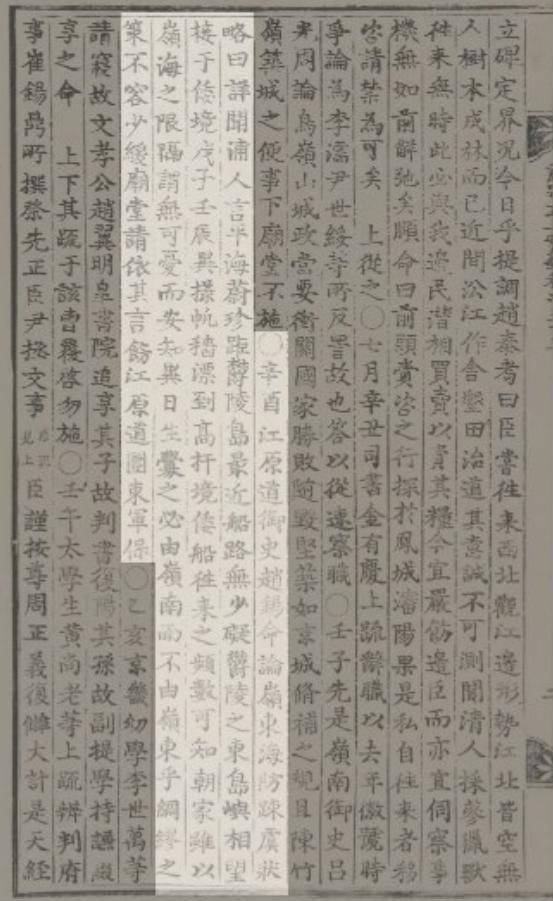
According to a July 22, 1714 entry in King Sukjong's "Bo Gweol Jeong O" (補闕正吳), a Korean government emissary to Korea's Gangwon Province said that the people in the ports there told him the following:

鬱陵之東 島嶼相望 接于倭境
"Visible to the east of Ulleung is an island attached to Japanese territory."
Except for its neighboring islands, the only island visible to the east of Ulleungdo is Liancourt Rocks (Dokdo/Takeshima); therefore, the above sentence is evidence that Koreans in 1714 recognized Liancourt Rocks as being part of Japanese territory. Also, by mentioning the above quote, the Korean emissary seemed to be warning government officials that Japan was within eyesight of Korean territory (Ulleungdo).

Korean historians mistranslate the above sentence, possibly in an attempt to hide the fact that a Korean document described Liancourt Rocks as being Japanese territory, but it seems quite clear to me that this island east of Ulleungdo was not considered part of Ulleungdo since it was described as being visible from Ulleungdo. Also, by only saying that there was an island visible to the east of Ulleungdo, without giving any distance, suggests that they had not been to the island.

HERE is how Korea's National Institute of Korean History translated the passage:
鬱陵之東 島嶼相望 接于倭境
울릉도 동쪽에는 섬이 서로 잇달아 왜경(倭境)에 접해 있다.
East of Ulleungdo, islands connect to each other to reach the Japanese border.
Notice in the above Korean translation that nothing was said about the island east of Ulleungdo being visible from Ulleungdo (鬱陵之東 島嶼相望 ). Instead, they translated 島嶼相望 as being a "chain of islands," which is really ridiculous and something the National Institute of Korean History should be ashamed of. The fact that the National Institute of Korean History came up with such a ridiculous translation stongly suggests that they realized the important of this sentence and how it would hurt the Korean claim to Liancourt Rocks.

This passage is one of only two instances in Korean documents prior to 1906 that mentioned seeing an island east of Ulleungdo that was most likely Liancourt Rocks. The other passage can be found in a 1694 Korean document HERE.

Here is my translation of the relevant passage:
Gangwon Provincial emissary Jo Seok-myeong (趙錫命) discussed the neglected coastal defenses in the Yeongdong region. Here is a summary:
I listened carefully to the people in the ports (浦人) who said, "Pyeonghae (平海) and Uljin (蔚珍) are closest to Ulleungdo, and there are no obstructions along the sea route. Visible to the east of Ulleung is an island attached to Japanese territory." In 1708 and 1712, strange-looking ships drifted to the borders of Goseong (高城) and Ganseong (杆城), so we know that Japanese ships frequently come and go. The government, however, says that the vast sea is a barrier, so there is no need to worry, but how can we be sure that a future war will not break out in the Yeongdong region instead of the Yeongnam region? We cannot allow even a little delay in taking measures to be thoroughly prepared.
In accordance with the request, the Myodang (廟堂) requested that Gangwondo be reprimanded to cracked down on its military officials.

辛酉江原道御使趙錫命 論嶺東海防疎虞狀略曰 詳聞浦人言 平海蔚珍 距鬱陵島最近 船路無少礙 鬱陵之東 島嶼相望 接于倭境. 戊子壬辰 異攘帆穡 漂到高杆境 倭船往來之頻數 可知. 朝家雖以嶺海之限隔 謂無可憂 而安知異日生釁之必由嶺南 而不由嶺東乎. 綢繆之策 不容少緩. 廟堂請依其言 飭江原道 團束軍保.

2.5.08

1899 Sep 23: "Hwangseong Sinmun" (皇城新聞) - Mentions Ulleungdo's neighboring island of Usan (Jukdo)

Below is my translation (with the help of Kaneganese, Chaamiey, and Matsu) of a special report on the Korean island of Ulleungdo (鬱陵島), from the September 23, 1899 edition of the Korean newspaper, Hwangseong Sinmun (皇城新聞). The article gives general information about Ulleungdo and then gives a summary of a report prepared by E. Laporte (羅保得), who worked at the Korean Customs Office in Busan and who went to Ulleungdo at the end of June 1899 to inspect the problem of Japanese settlers and merchants coming to the island. The article seems to have been written after a September 16 request by the Korean Foreign Ministry to the head of the Japanese mission in Korea to have the Japanese on Ulleungdo removed.

The article is important in the Dokdo/Takeshima debate mainly because of the description of Ulleungdo in its first two sentences, which follow:
蔚珍之東海에 一島가 有하니 曰鬱陵이라 其附屬한 小六島中에 最著者는 于山島竹島이니.
There is an island in the sea east of Uljin called "Ulleung." Among its six, small neighboring islands, the most prominent one is Usando/Jukdo.
The above sentence is important in the Dokdo/Takeshima debate because it seems to be using two names, "Usando/Jukdo" (于山島竹島), to refer to Ulleungdo's most prominent neighboring island. In other words, the 1899 article seems to be saying that Ulleungdo's "most prominent" neighboring island of Jukdo, which is about two kilometers off Ulleungdo's east shore, was also called "Usando," which would be more evidence disproving the Korean claim that Usando was the old name for Liancourt Rocks (Dokdo/Takeshima).

Korean historians, however, claim that the above sentence was not referring to one island with two names, but to two separate islands. They claim that the sentence should be translated as, "Among its six, small neighboring islands, the most prominent ones are Usando and Jukdo." The problem with translating "于山島竹島" as "Usando and Jukdo," is that the Korean article did not use the word "and" to separate the two names, even though the word "and" (과/와) and commas were used to separate list items in other parts of the article. Here are some examples:
  • 所産은 柴胡, 藁本, 石楠, 藤草, 香木, 槻木, 蘆竹
    Its products are siho, gobon, seoknam, wisteria, juniper, zelkova, nojuk....
    .
  • 香木과 蘆竹
    juniper and nojuk

  • 船匠商客과 漁人耕夫가
    shipbuilders/merchants and fishermen/farmers

  • 薯와 豆
    potatoes and beans

  • 上年所穫이 薯 二萬包, 大麥 二萬包, 黃豆一萬包, 小麥五千包이오
    Last year's harvest was 20,000 po of potatoes, 20,000 po of barley, 10,000 po of yellow beans, 5,000 po of wheat.

  • 材木은 老年巨杉과 各種貴重寶木이 亦多하고
    The are many wood products, including Japanese cedar and a variety of rare, valuable trees.
Notice in the above examples that commas were used to separate three or more list items, and an "and" (과/와) was used to separate two list items, which show us that the reporter was trying to follow modern punctuation rules rather than leaving list items unpunctuated, as was the case in older Korean documents. Therefore, if the reporter had wanted to refer to Usando and Jukdo as two separate islands, the above examples suggest that he would have used an "and" between Usando and Jukdo (e.g. 于山島와 竹島), instead of Usando/Jukdo (于山島竹島).

There are a few examples in the text where commas were not used to separate list items, but in those cases, there is no ambiguity since the words were either idiomatically linked together or were obviously separate list items. Moreover, the instances of the unpuncuated list items all occured in the last half of the article, which is a summary of the report submitted to the Korean Ministry of Interior, where officials there may have translated the foreign language report using their own style of punctuation. The reporter who wrote the article may have just copied directly from the Ministry translation.

More evidence that the "Usando/Jukdo" (于山島竹島) reference in the article was referring to one island, not two, is Korea's 1900 Imperial Edict 41, which made Ulleungdo a county of Korea's Gangwon Province. In that edict, Jukdo was mentioned as one of Ulleungdo's neighboring islands, but not Usando, suggesting, again, that Usando was just an alternate name for Jukdo, which is supported by several old Korean maps and documents.

At any rate, even if the "Usando/Jukdo" (于山島竹島) phrase had been referring to two separate islands, neither of the islands would have been Liancourt Rocks since Liancourt Rocks is NOT one of Ulleungdo's "most prominent" (最著者) neighboring islands. In fact, Liancourt Rocks can very rarely be seen from Ulleungdo, and then only from high elevations when atmosperic conditions are just right. That is because Liancourt Rocks is just a very small grouping of rocky islets ninety-two kilometers southeast of Ulleungdo. Such islets would not have been referred to as one of Ulleungdo's "most prominent" neighboring islands.

Also, the article said that "sea lions" (可之) "used to" (古에) live on Ulleungdo, which means they were no longer living on Ulleungdo in 1899. Since sea lions were still living on Liancourt Rocks in 1899, the sentence in the article saying that sea lions "used to" live on Ulleungdo is more evidence that the Usando mentioned in the article was not referring to Liancourt Rocks (Dokdo/Takeshima).
Below is my translation of the article and the article, itself. If you find any errors or have any suggests for improving it, please let me know in the Comments section. (Click twice on the article below to enlarge it.)
----------------------------
Special Report (別報)

Ulleungdo Situation (鬱陵島 事況)

There is an island in the sea east of Uljin called "Ulleung" (蔚珍之東海에 一島가 有하니 曰鬱陵). Among its six, small neighboring islands (其附屬한 小六島中에) the most prominent one (最著者는) is Usando/Jukdo (于山島竹島이니). According to the Daehanjiji (大韓地誌에 曰), Ulleungdo is the old country of Usan (鬱陵島는 古于山國이라). It has an area of 100 ri (地方이 百里오) and three peaks that stand out (三峰이 律兀한되).

Its products are (所産은) siho (柴胡 – bupleurum root), gobon (藁本 Ligusticum sinense Oliv. root), seoknam (石楠 – Photinia serrulata Lindl), wisteria (藤草), juniper (香木), zelkova (槻木), and nojuk [(蘆竹 - a reed-like bamboo)이오]. The land is suitable for barley (土性은 宜麥하고). In the past (古에), there were water animals that looked like cows without horns that were called “gaji” (牛形無角한 水獸가 有하니 名曰可之오). There are also seabirds that are called "gwakjo" (海鳥가 有하니 名曰 霍鳥러라).
There are few people on the island (島中에 人烟이 稀少하야), so the government exempts them from paying tax (國家에서 公稅를 免徵하고). Every three years (每式年에), the authority in the neighboring region (附近地方官으로) selected and sent emissaries (差使員을 定送하야) to inspect the situation on the island (島中情形도 査察하고) just bring back juniper and nojuk to present to the king (香木과 蘆竹을 裁還하야 御貢할 뿐이러니).

In 1883 (癸未年에), the royal court (朝廷에서) appointed Kim Ok-gyun as the Southeast Islands Development & Whaling Official (金玉均으로 東南諸島開拓史兼捕鯨使를 任하고) and appointed Baek Chun-bae as his assistant (白春培로 從事官을 任하야). They were given the task of settling the island (該島開拓事務를 辦理케하였더니), but because of the Gapshin Coup the following year (翌年 甲申의 變을 因하야), they could not achieve much (泰效치못하였고). Afterwards, in 1888 (其後戊子年에), island resident Seo Gyeong-su was appointed Wolsong Commander and given the duty of increasing the island’s population and preventing the illegal harvesting of the island’s forest by foreigners. (島民徐敬秀로 越松萬戶를 差定하야 該島人民을 繁殖하고 外國人의 樹木侵伐하는 弊를 防禦케 하였더니), but Seo Gyeong-su died the following year before completing the job (翌年에 徐敬秀가 身死未遂하였고).
In 1895 (開國五百四年에), the Ministry of the Interior appointed island resident Bae Gye-ju as the Island Supervisor and had him manage the island (內部에서 本島民 裵季周로 島監을 任하야 島務를 管理케하였더니). 
 In the spring of this year (1899), Bae Gye-ju reported to the Ministry of Interior that Japanese had recently been arriving in large numbers and were cutting down trees, encroaching on residents, and causing disturbances (本年春에 裵季周가 內部에 來報하되 近者에 日本人이 夥數流入하야 樹木을 斫伐하고 居民을 侵擾하니), and requested that the government establish law and order (政府에서 設法防護하기를 請함의), which prompted the Interior Ministry to request Sir John McLeavy Brown, chief commissioner of the Korean Customs Service, to dispatch one Westerner to the island to investigate the situation there (內部에서 海關總稅務士 柏卓安에게 委託하야 西人一員을 派送하야 該島情形을 査報케 하였더니). A summary of the report follows (其報告의 槪況이 如左하니):

Ulleungdo is about 200 ri from land (鬱陵島는 距陸二百餘里오). It has an area estimated to be about seventy-five square ri (面積은 約計 七十五方里니). The entire island had little cultivated land (遍嶋中에 耕植하는 地는 不多하고), and there was a thick forest of trees from the seashore to the mountain ridge (樹木이 海濱으로 從하야 山嶺까지 鬱密하였는되). The height of the mountain is calculated to be 4,000 English feet (山高는 計有四千英尺이오). The depth of the water within three ri of the shore is between 6,000 and 9,600 English feet (距岸三里內의 水深은 自六千至九千六百英尺이라).

There are about 300 families of men and women living on the island (居民은 男女 約 三百口이니). Over the past couple of decades (數十年來로), shipbuilders/merchants and fishermen/farmers have gradually come to live together on the island. (漸次 船匠商客과 漁人耕夫가 相隨而至하야 居生하는되). Since the water is extremely deep, it is said that fishing is unprofitable, but annual shipments of seaweed reach as much as 2,000 dam (海水가 太深하야 魚産은 未益하고다만 海菜의 運出이 每年에 二千 擔에 多至하고).

The land is fertile, so fertilization with night soil is unnecessary (土質은 膏沃하야 糞漑 를 要치아니하고), but wood ash is plowed into the fields to achieve two harvest a year (樹叢燼灰로 覆耕하야 一年兩熟을 得하니). Barley and wheat are planted in the spring (春季에는 大小麥이오), and potatoes and beans in the fall (秋季에는 薯와 豆인 되). Last year’s harvest was 20,000 po of potatoes, 20,000 po of barley, 10,000 po of yellow beans, and 5,000 po of wheat (上年所穫이 薯 二萬包, 大麥 二萬包, 黃豆一萬包, 小麥五千包이오). The incline of the land is too steep to grow rice (地勢가 太斜하야 禾穀은 耕作지 못 하고). There are many wood products, including old, large Japanese cedar and a variety of rare, valuable trees (材木은 老年巨杉과 各種貴重寶木이 亦多하고). There are zelkova, juniper, pine nut, and Integra holly (槻木 香木 柏子木 甘湯木이 産有하어라).

Trade with the mainland is extremely rare, but they occasionally get a shipment of only a few po of such things as foodstuff, tobacco, and cotton cloth (大陸과 通商이 極少한 되 往往히 商簇의 輸入하는 物貨는 食物烟草布疋 等數包 뿐이오.) The goods they ship out is mainly seaweed, but also lumber, and occasionally clothes (其 載出하는 物品은 海菜가 居多하고 板木 間或 裝 運하더라).

Among the confusion of rock cliffs at the shoreline of Seal Peak (嶋邊海狗峯石壁亂叢中에), there is a small inlet about 100 English feet wide (一小灣이有하니 約闊一百 英尺이라), where Japanese ships loaded with such imports as rice, salt, pottery, Japanese wine, wool, cotton cloth, kerosene, matches, and umbrellas trade with the locals using the barter method (該灣으로 日本船商의 輸入品은 米 塩 瓷器 日本酒 洋布 木綿 火油 火柴 雨傘等件인되 土民으로더부러 交易하는 法은 物로物을易하고). Besides beans and barley, the exported goods include wood that is cut indiscriminately from all over the mountain, loaded onto ships, and carried away--the price is insufficient (其輸出品은 豆麥外에 満山材木을 亂斫鋸削하야 船隻에 載往하는者--其値가 不實하고).

There are places on the island where about 200 Japanese have built houses and are living temporarily (本嶋中에 築室旅居하는 日本人이 二百餘名인되). They encroach on the locals and have inappropriate relations (土民을 侵凌하야 相関하는 弊가 有하어라). The farmers and merchants are originally not taxed 農民商民의 公税는 原定함이 無하고), but, the island supervisor is collecting one-tenth of the seaweed (但 嶋監이 海菜에는 十分의一을 徵하고) and a wood charge of 100 ryang per ship (木料에는 毎船一隻에 葉一百 兩을 徴하여). When the Japanese sell goods, they pay only a negotiated fee of two percent, but no tax (日本人은 賣貨時 口文(百抽二)外에는 納税함이 無하더라).

In September of this year, the Interior Ministry (本年九月에 内部에서), based on the above report (右項報告을 等因하야), requested that the Foreign Ministry request the head of the Japanese mission in Korea (外部에 照會하였더니 外部에서 駐京日本公使에게 照會하야) to promise to set a date to remove the Japanese trespassing on the island (該嶋에 潜越한 日本人을 訂期刷還하고) and stop and prohibit the stuggling trade from non-trade ports. (不通商港口에 密輸買賣함을 禁戢케하라하였더라).

1.5.08

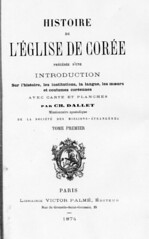
1874 - "Histoire de L'Eglise de Corée" by Claude Charles Dallet

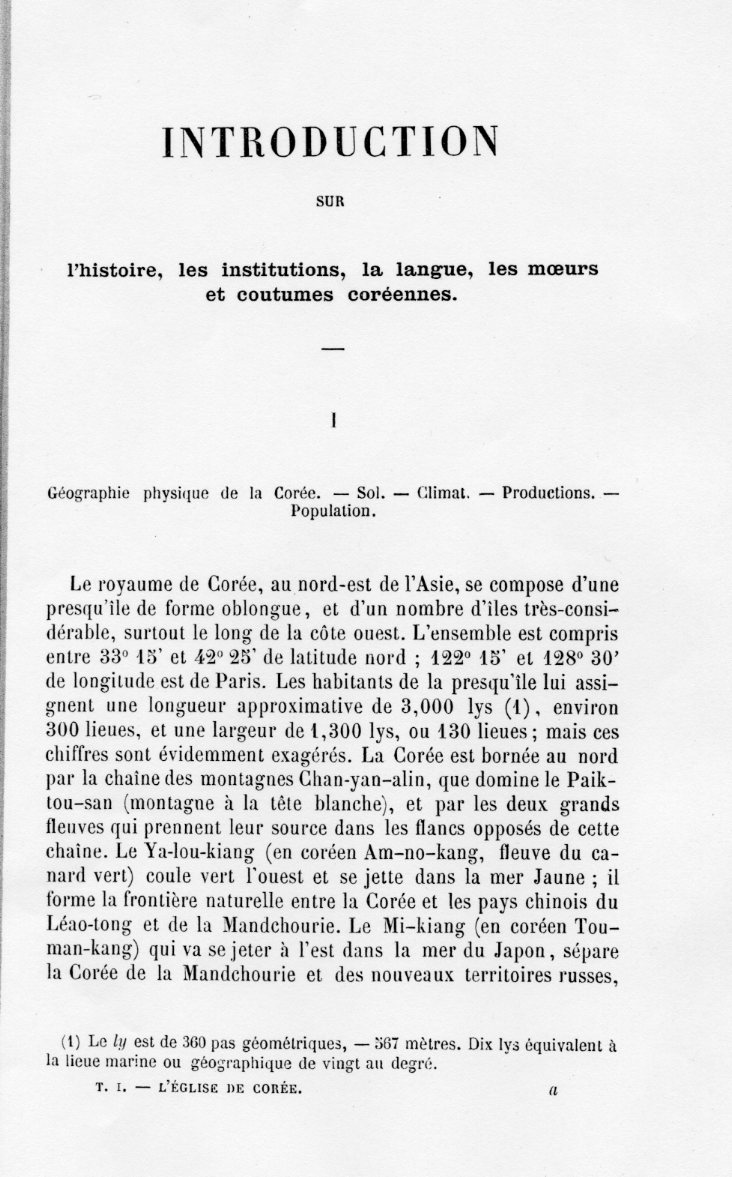
Fr. Claude-Charles Dallet described eastern limit of Korea as 130°50’E, which exclude Takeshima/Dokdo in his book "Histoire de L'Eglise de Corée (History of the Korean Catholic Church). "(1874).

"Histoire de L'Eglise de Corée" (1874)

Geographie physique de la Corée Le royaume de Corée, au nord-est de l'Asie, se compose d'une presqu'île de forme oblongue, et d'un nombre d'îles très-considérables, surtout le long de la côte ouest. L'ensemble est compris entre 33°15’ et 42° 25’ de latitude nord ; 122° 15’ et 128°30’ de longitude est de Paris. ( 128°30’ E+ 2°20’(Eastern longitude of Paris) = 130°50’E (Greenwich Meridian))

1874 Histoire de l'eglise de Coree_longitude

(Links to the full page)

Moreover, the map attached to this book clearly depicts "Ou-san(Usan)" next to "Oul-leng-to (Ulleundo)", the exact location of today's Jukdo, not today's Takeshima/Dokdo which locates at 131”50’E. Besides, you can clearly see that "Oul-leng-to (Ulleundo)" and "Ou-san(Usan)" consist one "Dagelet Island". Liancourt Rocks were never thought to be Dgelet island. Notice that the map also includes lines of longitude and latitude, which eliminate any possibility that “Ou-san” could have been referring to Liancourt Rocks (Dokdo) (Lies, Half-truths, & Dokdo Video, Part 7). Those facts show French who saw Korean old maps and western maps considered Usando is today's Jukdo, just like us. It coincide with the fact that there is no single document that show Korean themselves thought Usando is today's Takeshima/Dokdo, but a neighbouring island of Ulleundo.

Dallet explains about the map as follows. (Thanks to matsu for the information.)
Celle que nous donnons en tête de cet ouvrage a été dressée, pour le littoral, d’après les cartes du dépôt de la marine, et pour l’intérieur du pays, d’après une carte indigène assez récente, tranduite par Mgr Ridel, vicaire apostolique de Corée.

(The coastal place of this map was made by the maps of Navy and inland was by the vicar apostolic Ridel's translation of relatively recent map by local. )

This is very important for the Takeshima/Dokdo dispute since the islets "Liancourt Rocks" were re-found and already charted by the French whaling ship Liancourt in 1849. In other words, this map proves even french Navy was almost certainly recognized "Usando" was Jukdo, not Takeshima/Liancourt Rocks/Dokdo and excluded the islets from Korean territory.

Supplement

Below are the informations on the author Dallet and this book I found on the net.

Claude-Charles Dallet was born in Langres, France, 18 October 1829. He entered the Se'minaire des Missions E'trange`res in 1850, and was ordained 5 June 1852. Though he spent his missionary life mainly in Asia, including India, he had never been to Korea. This book is mainly based on the materials collected by Msgr. Daveluy who was executed in Seoul in 1866.

Charles Dallet wrote this book, as he very clearly spells out in his preface, on the basis of letters and other communications received in Paris between 1836 and 1863 from the missionaries in Korea. In what must have been an intricately planned operation, Korean Catholic fishermen took the mail out to sea and passed it to Chinese Catholic fishermen who took it to Shanghai, whence it was dispatched to Hong Kong, where the Societe' des Missions E'trange`res had an agent, who posted it to Paris. This route was apparently pioneered and developed by Kim Tayken, Korea's first Catholic priest, who studied and was ordained in China. From 1836 on, all French priests who entered Korea, or in 1866 those who fled it, did so by sea. The Korean authorities had long since established virtually impenetrable security at the northern frontier, at least in so far as Europeans were concerned. (Gari Ledyard , Wiki : Japanese )

1874 Histoire de l'eglise de Coree_top

1874 Histoire de l'eglise de Coree_bottom  

28.4.08

1696 - Ahn's so-called Matsushima/Usando was Jukdo, afterall.

1696 元禄九丙子年朝鮮舟着岸一巻之覚書
-In May 2005, Mr.Murakami Sukekurou (66), the 48th master of an old family of Oki, Shimane revealed their old documents which was lying undiscovered for almost 300 years. 「One-volume Memorandum concerning the Korean boat that came alongside the pier in the 9th year of Genroku (1696)」(「元禄九丙子年朝鮮舟着岸一巻之覚書」) is the title written on the cover, and it consists of 16 pages. It was a record of the inquiry of Ahn Young Bok(安龍福), a Korean who came by Oki on the way to Tottori. - ( extract from the article by San-in Chuo Shinpo )
When the “San-in Chuo Sinpo” reported that Gerry found the evidence that Usando was not Takeshima/Liancourt Rocks/Dokdo, but Jukdo on the 22nd Feb, 2007, Dokdo Museum head admitted “It’s just Jukdo” . However, he continued , "In our country, Dokdo has been called “Usando” (于山島, 1432) - “Sambongdo” (三峰島, 1476) - “Jasando” (子山島, 1696) - “Seokdo” (石島, Korean Imperial Edict 41), and Dokdo (獨島, 1904)."

Korean claim Ahn Yong-bok who smuggled himself into Japan landed on Jasando (子山島) in 1696 and made Japanese recognize "Japanese Matsushima" as "Usando", or Matsushima is in Korea's 江原道 in this document. Korean automatically replace "Usando" with "Dokdo" every time they saw the word "Usando" in old documents, but all the documents and maps after 1696 available suggest Usando was most likely, Jukdo, not Takeshima/Dokdo.

This document does record Ahn's words "On the way to Gangwon Province, there are Takshima(Ulleungdo) and Matsuhima.(江原道 此道ノ中ニ 竹嶋松嶋 有之 竹島松嶋有)" However, it is just a record of the investigation and naturally, there is no trace Japanese had approved his appeal at all. In fact, Japanese sent him away to Choson directly, not through Tsushima, which was in charge of diplomacy with Choson at the time. Moreover, the more we read Ahn's testimony, the less his word become credible. What is Usando which Ahn referred afterall? Where it is?

The incident of the Ahn's travel which was recorded in this document and a incident of famous testimony in the annals of King Sukjong actually describes the same event, but the latter was recorded in Choson 4 month later. By analyzing those two documents, we could know one very important fact. - Jasando cannot be Takeshima/Dokdo. -


"One-volume Memorandum concerning the Korean boat that came alongside the pier in the 9th year of Genroku (1696)" (元禄九丙子年朝鮮舟着岸一巻之覚書 translation (part))
"They left Takeshima on 15th May, reached Matsushima on the same day. (五月十五日竹嶋出船同日松嶋江着)"

"The Annals of King Sukjong, vol.30 " (肅宗実録 30卷, 22年 戊寅 translation)
"At last on the next morning(15th May) in dawn, (we) pulled a boat and went into Jasando. (遂以翌曉, 拕舟入子山島)"

In the Japanese document, Ahn said he left Takeshima (Ulleundo) and reached to Jasando (Matsushima) on the same day(15th May). He didn't clearly say when he left, or when he arrived, not to speak of how many hours it took. The only thing we could tell for sure is he moved from Ulleundo to Jasando within a same day. But, in second Korean document, he actually testified that he pulled the boat on Jasando at the dawn of the same day. The point is, Ulleundo was surrounded by dangerous rocky shore, so it is not reasonable to depart on the boat before dawn in the dark. So Ahn should have left Ulleundo very early morning and soon reached to Jasando while dawn.

As we have seen, by analyzing two documents, we could definitely tell that it took less than few hours for Ahn to move from Ulleundo to Jasando, at dawn on 15th of May. Namely, the only possible island for this description is Jukdo(Korean name 竹島, Japanese name 竹嶼) which locates on approx. 2.2 km east shore of Ulleundo. Besides, Ahn said he "pulled the boat into Usando(拕舟入子山島)". There is no shore around Takeshima/Dokdo we can pull the boat. Chinese letter "拕" means "pull or drag the boat" with some kind of rope. Using "拕" verifies Ahn didn't go to today's Takeshima/Dokdo at all.

Ahn's testimony was full of inconsistency, thus Japanese researchers tend to ignore his statement. For example, he said the distance between Choson and Ulleundo 30-ri (120 km) and Ulleundo to Matsushima 50-ri (200 km). It makes Jasando near Oki island. The distance between Ulleundo and Takeshima/Liancourt Rocks/Dokdo is 92km.
竹嶋と朝鮮之間三十里竹嶋と松嶋之間五十里在之由申候
Importantly, the second documents were a testimony for the Choson officials of the border guard when he was subject to the life sentence for the serious offence of stowaway and subject to perjury. Naturally, his testimony was full of exaggeration, misrepresentation and untruth, which don’t match to the Japanese record. In fact, Choson government denied him in her official reply to Japanese government as "As for a vitreous and stupid person(= Ahn), even if he is telling a lie, it is an unknown thing of the Chosun government. ( 肅宗 31卷, 23年( 1697 丁丑 / 청 강희(康熙) 36年) 2月 14日 乙未 3번째기사 "至於漂風愚民, 設有所作爲") " before.

However, it is also true that Ahn actually traveled from Ulleundo to Oki in 1696. Ahn’s recognition of date may be accurate, since the arrival date was confirmed and consistent with Japanese documents. Then we compared the information of dates from testimony in two documents above to have found Ahn's Matsushima/Jasando was definitely Jukdo, not Takeshima/Liancourt Rocks/Dokdo.

In fact, this is easily confirmed by other documents and maps as well. Usando which used to be depicted on the west side of Ulleundo in same size started to be replaced to the exact location of today's Jukdo with almost identical shape after Choson officials started to investigate Ulleundo followed by Ahn's stowaway to Japan. Addition to that, there are some documents which record Choson people actually called Ulleundo (plus Jukdo) as Matsushima, as a whole. Following are those examples.

1793 「Ilseong-rok(日省録)
臣按本曹謄錄蔚陵外島其名松島卽古于山國也
The attendant said that according to the Yejo record, "Songdo" was another name for Ulleungdo and its surrounding islands," which was the old kingdom of Usan.

1882 「the Annals of King Kojong vol.30(高宗実録 19年4月 初 7日(壬戌)條 )」
敎曰 或稱芋山島 或稱松竹島 皆輿地勝覽所載也. 而又稱松島竹島與芋山島爲三島統稱鬱陵島矣.
The king said, “It is called either Usando or Songjukdo (松竹島), which are both written in the Yeojiseungram (輿地勝覽). It is also called Songdo
(松島) and Jukdo (竹島). Together with Usando, there are three islands that make up what is called Ulleungdo. Inspect the situation on all of them. (
Lies, Half-truths, & Dokdo Video, Part 8)

Because of Ahn's inconsistancy, it is considered to be almost impossible to tell if he really went to the so-called Matsushima/Jasando which perfectly coincide with location, distance and description (size). But if we analyze his travel itinerary from 15-18 th of May in both documents recorded by Japanese and Choson officials in 1696, we can conclude that Jukdo is the only possible island for Ahn's Matsushima/Jasando. It is considered that Ahn was confused with other islands like legendary Usando which he thought locates in North of Ulleundo and the inhabitable "huge island" which he saw in 1693 and is bigger than Ulleundo (= Oki). Actually, he was in need of appealing his triumphant of making Japanese admit his territorial claim of the huge inhabitable island, which is not true, so that he could dodge the life sentence.

Besides, Ahn, who was a private slave(私奴) misrepresented himself as "tax general of Choson(朝鬱両島監税将 臣 安同知騎) " to deceive the Japanese government (Shogunate). Moreover, Japanese didn't take Ahn seriously and expeled him from Tottori directly, not via Tsushima so that it won't become a diplomatic problem. No matter what he did or did not in Japan, it should not be subject to sovereignty dispuite in the first place.

In conclusion, Ahn’s "Jasando" and so-called "Japanese's Matsushima" which appears in Choson documents later is nothing but just a neiboughring island of Ulleundo, Jukdo.

26.4.08

Strangely, votes are being subtracted from our survey.

I have noticed that votes are being subtracting from the total on our survey question: "Do Liancourt Rocks (Dokdo/Takeshima) belong to Korea or Japan?" Total votes were once over 100,000 votes, but now they are down to 96,870. Were the numbers too high for someone?

It seems Blogger may have a bug.

1470 - "Sambongdo(三峯島)" was just an another name of Ulleundo, not Takeshima/Dokdo

When the “San-in Chuo Sinpo” reported that Gerry found the evidence that Usando was not Takeshima/Liancourt Rocks/Dokdo, but Jukdo on the 22nd Feb, 2007, Dokdo Museum head admitted “It’s just Jukdo” . However, he continued , "In our country, Dokdo has been called “Usando” (于山島, 1432) - “Sambongdo” (三峰島, 1476) - “Jasando” (子山島, 1696) - “Seokdo” (石島, Korean Imperial Edict 41), and Dokdo (獨島, 1904)." But was Sambongdo really Takeshima/Dokdo as he claims? Actually, as I studied below, it is extremely doubtful. On the contrary, most Korean official documents prove that Sambongdo was an just another name for Ulleundo, again.

What is 三峯(峰)島?

In 1470, a first year of King Sejon(成宗), 永安道(咸鏡道)観察使 from northeast part of the country reported that many squatters who evade taxes or dodge labor taxes smuggle themselves into “Sambongdo” or "three peaks island" , which can be seen from mainland, to Choson government. It looks like people in 永安道 then called Ulleundo as "三峯島". Choson government dispatched commander 朴宗元 and army to clear the island and bring those illegal squatters back. 3 of the 4 ships succeeded to reach Ulleundo and investigated the island, but all they had found was the remains of the residents, failed to find squatters. The Choson government started to doubt that this 三峯島 is not Ulleundo, thus they ordered 永安道観察使 to investigate it. In 1475, he investigated 金漢京 who claims that he had been near the 三峯島 and saw 7-8 people (!!) ("遙望島中有七八人") on the island but never landed because of the strong wind previous year. Choson government again required 永安道観察使 to investigate, so he dispatched 金自周 with 金漢京 in 1476. Commander (兵曹) reported to the King that 金自周 didn't even land on the island out of fear, but he saw 30 "human shape" standing on the island. ("人形別立者三十" : 成宗 72卷, 1476年 10月 27日)

三峯島 in Korean old documents

Professor Shin Sok-ho(申奭鎬) wrote that the 三峰島 mentioned in this sentence should be Dokdo("獨島之來歴" 思想界, 1960). He considered that the expression 三石列立 (three stones stands in a line) reminded him of 三峰島 (three peak island) and that the expression “人形別立者三十” by 金自周 reminded him of flock of "sea lions". However, that is just a conjecture. Korean scholars cite his article in order to argue the sovereignty of the island without criticizing it's credibility(李漢基(Lee Han-key), 1969). Let's see the original sentence and other sentences that described this incident from 成宗実録.

成宗 72卷, 7年( 1476 丙申 / 명 성화(成化) 12年) 10月 27日 丁酉 2번째기사
○兵曹啓: “永興人金自周供云: ‘本道觀察使, 以三峯島尋覓事, 遣自周及宋永老與前日往還金興、金漢京、李吾乙亡等十二人, 給麻尙船五隻入送, 去九月十六日於鏡城地瓮仇未發船向島, 同日到宿富寧地靑巖, 十七日到宿會寧地加隣串, 十八日到宿慶源地末應大, 二十五日西距島七八里許, 到泊望見, 則於島北有三石列立, 次小島, 次巖石列立, 次中島, 中島之西又有小島, 皆海水通流。 亦於海島之間, 有如人形別立者三十, 因疑懼不得直到, 畫島形而來。’ 臣等謂往年朴宗元由江原道發船, 遭風不至而還, 今漢京等發船於鏡城瓮仇未, 再由此路出入, 至畫島形而來, 今若更往, 可以尋覓。 請於明年四月風和時, 選有文武才者一人入送。” 從之。

Unfortunately, he seems to have picked only one record which contains ambiguous descriptions of the island among all the enormous documents. Actually, if you read the other record which tells exactly same incident from 成宗実録 just 5 days ago as below, 永安道觀察使 李克均 report that same incident and said that 金自周 told those 30 people dressed in white were probabley Choson people(有人三十餘...其人衣白...然其大槪乃朝鮮人也). They are definitely not sea lions, but human being (Choson people). The sentence even says there were smokes of fire(有烟氣). It is apparent that Prof. Shin simply picked up the only one diary which suite his conjecture, while ignoring others which contradict his conjecture. Takeshima/Liancourt Rocks/Dokdo is not inhabitable island. Besides, we know there were many sea lions on Ulleundo even in late 1700s. So even it was sea lions as he claims, it doesn't mean the island was Takeshima/Dokdo at all. Do sealions wear white clothes and make fire to cook? I doubt it.

成宗 72卷, 7年( 1476 丙申 / 명 성화(成化) 12年) 10月 22日 壬辰 3번째기사

○永安道觀察使李克均馳啓: “永興人金自周言: ‘往見三峯島, 且圖其形。’ 送自周以進。” 命問之, 自周對曰: “於鏡城海濱乘舟, 行四晝三夜, 見島屹然, 而有人三十餘, 列立島口, 有烟氣其人衣白, 形貌遠不能詳, 然其大槪乃朝鮮人也, 懼見執, 不能進也。” 賜襦衣二領。

Prof. Shin also claims that the sentence "二十五日西距島七八里許, 到泊望見, 則於島北有三石列立, 次小島, 次巖石列立, 次中島, 中島之西又有小島, 皆海水通流 " from the record describes Takeshima/Dokdo. But Takeshima consists of two huge barren rocks and many other surrounding tiny rocks. There is no "three standing rocks(三石列立)" near Takeshima, but there is, around Ulleundo. This expression perfectly matches with the northwestern part of Ulleundo rather than Takeshima/Dokdo. It is more reasonable to consider it to be the description of Ulleundo, not Takeshima/Dokdo .

The name "三峯" means "three peaks" and this name itself describe and grasp the exact feature of Ulleundo. It is well-known that Ulleundo does actually have three main peaks, and there are so many documents that describes Ulleundo has three main peaks(三峯). Below are only some examples.

東国輿地勝覧(1481) 巻45 蔚珍縣
"一云武陵 一云羽陵 二島在県正東海中 三峯及業掌空 南峯梢卑 風日清明則峯頭樹木 及山根沙渚 歴々可見 風便則二日可到 一説干山 鬱陵 本一島"

It says that Ulleundo has three peaks.

新増東国興地勝覧(1531) 卷之四十五
"于山島 鬱陵島 一云武陵、 一云羽陵、 二島在県正東海中、三峯及業、掌空 南峯梢卑、風日清明、則峯頭樹木、及山根沙渚、歴歴可見、風便則二日可到、 一説干山・ 鬱陵本一島 地方百里"

It says that Ulleundo has three peaks.

肅宗実録 25卷 (肅宗19年1693 年11月 18日)
"蓋蔚山漁人, 自海邊漂至鬱陵島, 島上三峰接天, 中有數十戶人家遺址。 "

It says that Ulleundo has three peaks that almost reaches to the heaven.

肅宗実録 30卷 (肅宗22年, 1696 9月 25日)
"備邊司推問安龍福等。 龍福以爲: “渠本居東萊, 爲省母至蔚山, 適逢僧雷憲等, 備說頃年往來鬱陵島事, 且言本島海物之豐富, 雷憲等心利之。 遂同乘船, 與寧海篙工劉日夫等, 俱發到本島, 主山三峰, 高於三角, 自南至北, 爲二日程, 自東至西亦然。"

It says Ulleundo has three main peaks.

「春官志」 completed by 李孟休 in 1745
"
盖 是島 以其産竹也 故 謂 竹島 以有三峯也 故謂 三峯島 至於 于山 羽陵 蔚陵 武陵礒竹 皆音 轉 訛而然 也

It says that “This island [Ullengdo] is called Takeshima because is produces bamboo. There are three peaks on it, and so it is called Sambodo(三峯島). The terms于山, 羽陵, 蔚陵, 武陵, 磯竹島 are all phonetic transformations of the name. "

「欝陵島始末」 in 「文献撮録」 by 元鄭容(retired high rank officials of Choson
Dynasty : 1783-1873)

it says exactly the same thing with 「春官志」. (金学俊「独島/竹島韓国の論理」)

The article of 皇城新聞 in 23th September, 1899

It also says that Ulleundo has three peaks.

Though none of the Chosun officials like 朴宗元 succeeded in even landing on the island "三峯島", non-officials like 金漢京 and 金自周 claimed that they actually went close to the island and met or saw many people on the island. If you read the documents, you will notice that the reason Choson dynasty sent officials to "三峯島" which were believed not to be Ulleundo were to clear the squatters who were evading taxes. It is apparent that they were looking for the inhabitable island, not two rocks in the middle of the ocean which doesn't support human life.

In 成宗實録 16卷, (成宗3年, 1472 3月 6日 ), it says...
三峯島在我江原之境, 土地沃饒, 民多往居之故, 自世宗朝, 遣人尋之, 而未得。

"三峯島" is a fertile land and there were many people lives on Sambongdo.

In 成宗實録 卷17 (成宗3年, 1472 April) the following sentences were included:
三峰島在海中, 爾之行甚苦, 但我民逃賦潛投者, 不可不刷還……」及 「……三峰島在我封域之內, 海路險惡, 逃賦避稅者, 潛往居

Tax ivaders and draft dodgers were living on Sambongdo.

In 成宗實録72卷 (成宗7年 1476 10月 22日)
"永安道觀察使李克均馳啓: “永興人金自周言: ‘往見三峯島, 且圖其形。’ 送自周以進。” 命問之, 自周對曰: “於鏡城海濱乘舟, 行四晝三夜, 見島屹然, 而有人三十餘, 列立島口, 有烟氣其人衣白, 形貌遠不能詳, 然其大槪乃朝鮮人也, 懼見執, 不能進也。” 賜襦衣二領。"

Finally, 金自周 went near the island, but didn't land on Sambongdo. But he saw 30 people on the island. He said they were Korean.

Also in 成宗實録卷107 (成宗10年, 1479 August),
"本道人民逃避差役, 潛往三峰島, 其數無慮千餘……"

A thousand of “labor dodgers” were hiding in the island. Although this may have been exaggerated, it should be right if one can say many people were living (hiding) in the island.

In the same book,
"……三峰島旁有小島, 全君子等二戶逃居其中…"

that here was a small island beside 三峰島 and 2 families were hiding in the small island.

In 成宗実録 卷110 (成宗10年, 1479 October),
"三峰島之好, 則人皆欲往居之。……三峰島土地沃饒……"

三峰島 is fertile and people wanted to live there.

Moreover, 金漢京 himself clearly stated that 三峯島 is seen from Choson peninsula on a fine day. It is impossible to see Takeshima/Dokdo from Choson peninsula.

In 成宗實録 26卷, (成宗4年, 1473 1月 9日)
“金漢京言: ‘在慶興, 遇淸明日, 可望見三峯島, 自會寧向東舟行, 七晝夜而到, 向北行四晝夜而還"

金漢京 says "三峯島" can be seen from 慶興(North Korea) on a fine day. Takeshima/Dokdo cannot be seen from Choson peninsula at all.

In 英祖実録 18卷 ( 英祖4年, 1728年 6月 9日)
"更推黃溥。 刑一次, 溥供: “慶源人南龜錫持巡營軍官傳令, 來慶興, 言于臣曰: ‘巡使道謫慶源時, 聞三峰島之說, 使渠訪問, 以爲推得之地。’ 臣問其探知與否, 則龜錫曰: ‘有一人言: 「若登頭里山烽臺, 値日晴, 則僅見其島形, 如臥牛。」云。"

Even in 1728, Choson official claims that it can be seen from mainland of Choson on a fine day.

To summarise it, "三峰(峯)島" is considred to be fertile island with three main peaks and on which many people hiding and living, and it can be seen from mainland of Choson. This island can’t be Takeshima/Liancourt Rocks/Dokdo, because Takeshima/Dokdo consists of two barren rocks and nobody couldn’t live nor cannot be seen from Choson peninsula. On the other hand, many documents confirms that Choson people apparantly mistook this Sambongdo as non-existant island and fussing about bringing back squatters on the island.

Why 金自周 and 金漢京 reported to the Choson officials that they reached 三峯島, instead of Ulleundo? There are some hints in the Annals of Choson dynasty. 金漢京's testimony that he had actually been to 三峯島 made Choson dynasty sent commanders to the island many times. And after Kim himself went to near the island again finally, Choson Dynasty discussed if they should send troops to clear the island and bring squatters from there. When 李郭, the high-ranked official investigated 金漢京 after returning from 三峯島, he had doubt Kim's testimony and still nobody was sure if this 三峯島 actually exist or not. The officials argued if they should send troops or not (成宗実録 115卷, 1480年 3月 11日). 永安道観察使 李郭 even thought about executing 金漢京 since his original testimony deceived King and government so that the fact that 三峯島 doesn't exist make widely known. After all, Choson dynasty decided to dispatch about 30 people, instead of troops, to investigate the island again (成宗実録 125卷 ( 1481 年1月 9日) , but it looks like this idea was not put into practice forever and so-called "三峯島" has gone out of history.

Choson dynasty wrongfully considered that there was an fertile island called "三峯島" addition to Ulleundo after the failure of 朴宗元's clearing Ulleundo in 1470. And they asked 金漢京 who testified to have been to "Samgando(三峯島)". The island which 金漢京 had to go to was 三峯島, not Ulleundo, or he could face the serious penalty of perjury or deception of King and government. It is natural for Kim to insist he could have gone near "三峯島", not Ulleundo.

Korean old maps depicted Ulleundo as an island with 3 main peaks

There is no single Korean maps which describes Takeshima/Dokdo precisely and accurately before 1950s. But there are some Korean old maps which describes Ulleundo with three main peaks(三峯).

"海東八道烽火山岳地図" 高麗大学図書館 (late 17C) 

"Map of Ulleungdo(鬱陵島圖形)" by Bak Chang-seok(朴昌錫) (1711)

"海東輿地圖 江原道図" (Early 19C)

Conclusion

Though Korean claim that "三峯島" was today's 竹島/Liancourt Rocks/Dokdo, absolutely no Korean documents give us any concrete evidnce to support it. Apparently, "三峯島" was just an another name for Ulleundo. This "三峯島" issue happned to be the concrete evidence that Choson dynasty in 15th century had no ability to determine if there was another island near Ulleundo or not and Korean academics even today still cannot read historical documents properly.

Supplement

Below are the all the sentences I could search which include "三峯島" from the official site of The Annals of the Choson Dynasty. As we can see, there is absolutely no documents which support 三峯島 was definitely Takeshima/Dokdo.

成宗 8卷, 1年( 1470 庚寅 / 명 성화(成化) 6年) 12月 11日 甲寅 4번째기사
○下書永安道觀察使李繼孫曰: “今悉所啓。 其投往三峯島者, 逃賦背國, 情犯甚惡。 卿宜探問以啓。 但今風高海惡, 不可以本道小舫輕赴, 卿其詳審施行。”

成宗 15卷, 3年( 1472 壬辰 / 명 성화(成化) 8年) 2月 3日 庚午 3번째기사
○兵曹啓: “頃承傳敎: ‘江原道海中有三峯島, 來壬辰年春, 當遣人求之, 其節目商議以啓。’ 今將合行事件, 條錄以聞。 一, 用哨馬船四隻, 各定軍人四十名, 擇本道軍士有武才者及自募人十七名充定。 一, 篙工, 擇本道水軍行船慣熟者, 量數分定。 一, 朝臣中擇才兼文武者一員, 差敬差官。 一, 形名及軍器、火炮, 以本道三陟、蔚珍、平海等官所儲, 擇給。 一, 船上軍糧, 令本道觀察使, 計人數幷往返日月, 以蔚珍倉穀, 給之。 一, 軍士能搜得有功勞者, 令敬差官, 等第以啓。 一, 待風和, 四月晦時, 發船。 一, 富寧人金漢京知三峯島所在, 幷令入送。” 從之。


成宗 16卷, 3年( 1472 壬辰 / 명 성화(成化) 8年) 3月 6日 壬寅 1번째기사
○壬寅/御仁政殿策士, 以左議政崔恒、左贊成盧思愼、禮曹參判魚世謙爲讀券官。 其策曰: 予以寡昧, 嗣守丕基。 仰惟前代時若, 圖臻至理, 敬天勤民, 夙夜兢惕。 乃何比年以來, 凶歉相仍, 今又東事方興, 亢陽踰時歟? 豈予之刑政失宜, 誠未上格, 澤未下究, 致怨傷和, 有以感召耶? 若之何, 則己德不爽, 朝政無闕, 以收中和、位育之極功乎? 守令, 民之父母也, 故任用之時, 疇咨愼簡, 務得賢能, 以委字牧。 乃何廉平者寡, 而貪汚者屢聞歟? 若之何, 則列邑皆得其良吏, 而三異之政復見於今歟? 兵者, 國之干城也, 故予嘗軫念, 均其番休, 優其帖丁, 簡閱以時, 訓鍊不怠, 減其額, 而刷其冗。 乃何軍士精力者少而羸弱者多乎? 儻有緩急, 將焉用之? 若之何, 則士皆精强, 而競迪果毅乎? 廣土衆民, 王政之所先也, 三峯島在我江原之境, 土地沃饒, 民多往居之故, 自世宗朝, 遣人尋之, 而未得。 若之何, 則得其地, 使居民衆乎? 或言: “海道險阻, 雖得無益, 不如置之。” 此說何如? 凡此數事, 莫非經濟之策, 子大夫亦嘗講究, 而欲陳者也, 其各悉心以對。 予將觀有用之才。

成宗 16卷, 3年( 1472 壬辰 / 명 성화(成化) 8年) 3月 20日 丙辰 2번째기사
○命賜三峯島敬差官朴宗元, 苧布帖裏ㆍ綿紬裌帖裏ㆍ綿布帖裏各一領、馬皮靴一部。

成宗 16卷, 3年( 1472 壬辰 / 명 성화(成化) 8年) 3月 20日 丙辰 3번째기사
○傳于禮曹曰: “三峯島敬差官之行差, 遣倭、女眞通事各一人。”


成宗 17卷, 3年( 1472 壬辰 / 명 성화(成化) 8年) 4月 1日 丁卯 1번째기사
○丁卯朔/三峯島敬差官朴宗元辭, 上引見謂曰: “三峯島在海中, 爾之行甚苦。 但我民逃賦潛投者, 不可不刷還, 不獲已遣之。 爾往何以爲之?” 宗元對曰: “彼見臣至, 必皆逃竄, 臣當先奪其船, 如其逆命, 以軍法從事, 然當臨機處置, 難可預料。” 上曰: “爾言正合予意, 其往懋哉。”

成宗 17卷, 3年( 1472 壬辰 / 명 성화(成化) 8年) 4月 1日 丁卯 2번째기사
敎朴宗元曰: “三峯島在我封域之內, 海路險惡, 逃賦避稅者, 潛往居之。 今命爾往捕, 發船以後, 所領軍士, 如有違令者, 以軍法從事。”

成宗 19卷, 3年( 1472 壬辰 / 명 성화(成化) 8年) 6月 12日 丁丑 5번째기사
○江原道觀察使李克墩馳啓曰: “三峯島敬差官朴宗元與所領軍士, 分乘四船, 去五月二十八日, 自蔚珍浦發去, 卽遇大風四散。 朴宗元之船, 東北去, 二十九日平明, 向東南, 望見武陵島, 可十五里, 復遇大風, 船纜絶, 漂流大洋中, 不知東西者七晝夜。 本月初六日午時, 到杆城郡淸簡津。 司直郭永江等三船, 去五月二十九日, 至武陵島, 留三日, 搜索島中, 不見居人, 只有舊家址而已。 島中有竹, 其大異常, 永江等取數竿載船, 發回, 本月初六日, 至江陵羽溪縣梧耳津。 今風氣漸高, 海波險惡, 更遣爲難。 放遣本道軍士, 京軍士分運上送, 何如?”

成宗 21卷, 3年( 1472 壬辰 / 명 성화(成化) 8年) 8月 12日 丙子 3번째기사
○前此, 院相鄭麟趾等議三峯島搜覓事目云: “令永安道觀察使, 預擇閑散有職品官可使者, 諸事備辦, 待明年春和, 以金漢京爲指路尋覓。” 至是, 兵曹據此啓: “一。 依今年三峯島搜覓時例, 哨麻船四隻每船軍人四十名, 抄本道吉城以北諸邑軍士有武才者, 充差。 一。 令本道觀察使, 無問公私船, 擇不腐朽牢實者, 修補以待。 一。 四船蒿工, 擇本道諸浦船軍慣水者, 量數分差。 一。 道內有職、有才略人, 預先揀擇領率, 如有自募人幷許送。 一。 往還一朔糧, 令本道觀察使, 計口題給。 一。 搜探後論賞節次, 臨時議定。” 從之。

成宗 26卷, 4年( 1473 癸巳 / 명 성화(成化) 9年) 1月 9日 庚子 2번째기사
○諭永安道觀察使鄭蘭宗曰: “金漢京言: ‘在慶興, 遇淸明日, 可望見三峯島, 自會寧向東舟行, 七晝夜而到, 向北行四晝夜而還。 前年, 遣人往尋茂陵島, 自蔚珍向東舟行, 一晝夜而到, 西行三晝夜而還,’ 其所言地勢, 有可疑者。 世傳: ‘茂陵島之北, 有蓼島, 無一人往還者,’ 是亦可疑。 卿更訪問沿海古老舟人, 詳究以啓。 海路險惡, 今若遣人尋求, 宜募願行者。 人言: ‘邊民逃賦往投’ 不可置而不問, 亦不可以難信之言, 涉險冒危, 或致傾敗。 卿其審情度勢以啓。”

成宗 64卷, 7年( 1476 丙申 / 명 성화(成化) 12年) 2月 8日 壬午 3번째기사
下書永安道觀察使李克均曰:今鍾城居親軍衛盧義順上言云: “前年五月, 與鏡城人金漢京、會寧人林都致、慶源人任有才ㆍ金玉山ㆍ李吾乙亡ㆍ金德生, 就慶源地面末應大津, 發船行三日, 得見三蓬島, 遙望島中有七八人, 然吾輩單弱, 不得下陸而還。” 卿其詳問義順等各人以啓。

成宗 68卷, 7年( 1476 丙申 / 명 성화(成化) 12年) 6月 22日 癸巳 2번째기사
○下書永安道觀察使李克均曰:今見卿啓, 知鏡城金漢京等二人, 辛卯五月漂泊三峯島, 與島人相接, 又於乙未五月, 漢京等六人向此島, 距七八里許, 望見阻風, 竟不得達。 此言雖不可信, 亦或非妄, 今宜別遣壯健可信人三人同漢京等, 入送搜覓。

成宗 72卷, 7年( 1476 丙申 / 명 성화(成化) 12年) 10月 22日 壬辰 3번째기사
○永安道觀察使李克均馳啓: “永興人金自周言: ‘往見三峯島, 且圖其形。’ 送自周以進。” 命問之, 自周對曰: “於鏡城海濱乘舟, 行四晝三夜, 見島屹然, 而有人三十餘, 列立島口, 有烟氣。 其人衣白, 形貌遠不能詳, 然其大槪乃朝鮮人也, 懼見執, 不能進也。” 賜襦衣二領。

成宗 72卷, 7年( 1476 丙申 / 명 성화(成化) 12年) 10月 27日 丁酉 2번째기사
兵曹啓: “永興人金自周供云: ‘本道觀察使, 以三峯島尋覓事, 遣自周及宋永老與前日往還金興、金漢京、李吾乙亡等十二人, 給麻尙船五隻入送, 去九月十六日於鏡城地瓮仇未發船向島, 同日到宿富寧地靑巖, 十七日到宿會寧地加隣串, 十八日到宿慶源地末應大, 二十五日西距島七八里許, 到泊望見, 則於島北有三石列立, 次小島, 次巖石列立, 次中島, 中島之西又有小島, 皆海水通流。 亦於海島之間, 有如人形別立者三十, 因疑懼不得直到, 畫島形而來。’ 臣等謂往年朴宗元由江原道發船, 遭風不至而還, 今漢京等發船於鏡城瓮仇未, 再由此路出入, 至畫島形而來, 今若更往, 可以尋覓。 請於明年四月風和時, 選有文武才者一人入送。” 從之。

成宗 78卷, 8年( 1477 丁酉 / 명 성화(成化) 13年) 3月 4日 辛未 3번째기사
○吏曹正郞柳文通等五人輪對。 佐郞安良生啓曰: “吏曹用人, 本欲辨賢愚以輔治道, 而僧職如大禪、中德、禪師、住持, 亦令吏曹下批, 臺諫署經, 此甚不可。” 上曰: “果非矣。 肇自何時?” 右承旨任士洪啓曰: “太宗朝猶有此弊。 如大選之試, 亦可罷也。” 佐郞李昌臣啓曰: “臣伏聞遣使求三峰島, 爲逃賦入海之民也。 然驅士衆, 擠之大海之中, 臣恐所得不能償其所失。 得其地, 不可耕也, 得其人, 不可使也, 棄之不爲損, 得之不爲益。 昔漢武滅南越, 置珠崖郡, 一轉輸之間, 死者數萬, 至元帝時, 賈捐之極言不可, 詔罷之。 臣意以爲永安道自丁亥後, 人心洶洶, 今尙不靖, 願專以存撫此道爲憂, 三峰島棄之無妨。” 上曰: “此島, 今有明言其處者, 今若不求, 必爲逋逃淵藪, 不可棄也。” 又啓曰: “卽位以來, 慮僧徒日繁軍額日耗, 累下私剃之禁。 然違上所命, 從厥攸好, 人之常情, 禁(綱)〔網〕之密, 不若謹好尙之爲愈。 臣聞近日寫金字經於奉先寺, 是自上導之, 臣之惑滋甚。 況金銀之貢, 請免上國, 我祖宗爲後世慮至矣, 以此而寫經可乎?” 上曰: “仁粹王大妃爲先王爲之, 予豈止之?” 昌臣曰: “寫經之擧, 雖非殿下本意, 然事父母, 當幾諫。 有爭子, 則親不陷於不義, 後世謂殿下何如? 伏惟三思焉。” 上曰: “然。” 昌臣等出, 上謂左右曰: “此李昌臣乎? 言事固當如是, 此人不易得也。”

成宗 104卷, 10年( 1479 己亥 / 명 성화(成化) 15年) 5月 12日 丁卯 4번째기사
○兵曹據永安道觀察使啓本啓: “三峯島投居人物, 請遣朝官刷還。” 命議諸政丞。 鄭昌孫、韓明澮、沈澮、尹士昕、金國光、尹弼商議: “臣等曾聞, 三峯島水路險惡, 且不知所向, 不可輕易遣人。 更加詳問, 若人物往來明白, 更議遣人何如?”


成宗 106卷, 10年( 1479 己亥 / 명 성화(成化) 15年) 7月 13日 丁卯 1번째기사
丁卯/御經筵。 講訖, 執義尹慜啓曰: “戎政, 國之重事, 不可不講。 然於十月閱武, 則必於八九月徵兵, 臣恐禾稼未收, 必有踏損之弊, 退定何如。” 上曰: “凡秋務, 有至于十月, 而未畢者。 況今年十月有閏, 則雖退定, 似爲未晩, 更以十月望後擇定。” 同知事李承召啓曰: “今倭人所獻, 雖以木蘭皮, 冒稱爲桂皮, 然臣意以謂 ‘彼人, 自以爲慕義獻琛, 則不可不受。’ 受之而不答賜何如?” 上曰: “不受則已, 受之, 則不可不答賜。” 承召曰: “若不受, 則彼必缺望, 不如姑受之。” 上曰: “此則已却之矣, 今後如卿言。” 上又曰: “頃者朴宗元, 求三峯島不得, 今觀永安道敬差官啓本, 其爲有島無疑。 敬差官上來後, 將欲遣人求之。” 領事金國光啓曰: “求之史籍, 雖未有所謂三峯島者, 然其民, 必往來海上, 見島之有三峯者, 因以爲號耳。 但居此島者, 已有叛心者也, 若遣人求之, 則不可不齎兵器以往。” 上曰: “然。” 右副承旨蔡壽啓: “柳陽春上言, 幷啓當初坐罪時招辭。” 上曰: “觀此則其罪不如是之甚也。” 左副承旨金季昌啓曰: “陽春外祖母, 以田民請之, 而不聽, 玄得利, 亦以田民請之曰: ‘爾則年富才優, 可不失高科, 我則不可必矣。 余與汝猶父子, 幸毋發告。’ 陽春又不聽焉, 非徒訟庭, 與得利交口爭詰, 他官則可, 臺省政曹, 不可除也。” 上曰: “敍用。”

成宗 107卷, 10年( 1479 己亥 / 명 성화(成化) 15年) 8月 30日 癸丑 3번째기사
○命召曾經政丞及府院君等, 御宣政殿, 引見, 又召永安道敬差官辛仲琚以入。 上曰: 三峯島人, 有拒敵官軍之勢, 欲與卿等議處置。” 左承旨金升卿啓曰: “三峯島旁有小島, 全君子等二戶, 逃居其中。 若募本道之人, 出其不意而往, 則可及三峯島人未覺之時, 取小島兩家矣。 然後審其形勢, 遣人討之何如? 鄭昌孫曰: “三峯島人, 無乃覺而來襲乎?” 上曰: “若然則官軍恐受辱矣。” 都承旨洪貴達啓曰: “五鎭人性, 本貪功, 賊若犯境, 欲使他境不知, 而自專其功, 若募以重賞, 必有取之者。” 辛仲琚言: “三峯水路, 五月九月風便海淸, 獨於此時可往。 若然則永安道, 道路遙隔, 今年九月, 似未及往也。” 昌孫曰: “若必入討, 則不可緩也。 若使彼人, 知我將討, 而有備, 則大不可也。” 上曰: “當大擧速討, 用戰卒一千五百若何?” 右副承旨蔡壽啓曰: “不須此數。 雖三四百可矣。 然北人皆用麻尙船, 蒼茫大海, 安可以麻尙船濟師哉? 且不識彼島地勢險夷, 居人多寡, 輕擧大軍, 以冒不測之險, 似未便。” 辛仲琚啓曰: “聞魚命山逃入時, 竊人哨麻船騎去矣。” 上曰: “水路幾日程, 其島泊船處有幾?” 仲琚對曰: “人言可二日程, 泊船處, 亦多有之。” 右承旨李瓊仝啓曰: “彼亦我國人, 安有拒敵官兵之理乎? 遣人招撫何如?” 上曰: “其人不事官役, 安業而居, 其肯來乎?” 洪貴達曰: “若招撫, 則非一端, 必開陳利害, 多方以誘之矣。 但今九月已迫, 戰艦諸事, 必不及辦, 待明年二三月遣之何如?” 上曰: “都承旨所言當矣。 此事終不可密, 今諭監司及節度使, 使備戰艦, 聲言大擧, 則彼或有歸服之理。” 僉曰: “上敎允當。”

成宗 107卷, 10年( 1479 己亥 / 명 성화(成化) 15年) 8月 30日 癸丑 4번째기사
○諭永安道觀察使李德良、南道節度使李欽石、北道節度使辛鑄曰: “今敬差官辛仲琚來言: ‘本道人民, 逃避差役, 潛往三峯島, 其數無慮千餘。’ 此無他, 所在守令, 不能撫恤所致。 然謀背國家, 往投絶島, 罪在不赦。 今欲擧大兵往討, 卿等知悉此意, 造哨麻船五十艘, 以待。 彼若自知罪過, 悔悟出來, 則當悉貰其罪, 加以重賞。 如或執迷不悟, 則殄殲無遺, 悔無及矣。 卿等幷將此意, 遍行知會。

成宗 108卷, 10年( 1479 己亥 / 명 성화(成化) 15年) 9月 4日 丁巳 7번째기사
○都承旨洪貴達、左承旨金升卿啓曰: “前日欲大擧討三峯島, 下諭永安道, 令造戰艦, 今宜遣朝官董正, 使島人, 知我往伐之意, 雖不別遣他員, 令推刷敬差官, 兼之可矣。 但金錫元, 優於推刷, 不閑轅門之事, 擇多智術、善應變者遣之爲便。” 傳曰: “雖不往諭, 自知之矣。 昔舜征有苗, 不卽(工)〔攻〕, 退而修德, 卒格于干羽之舞, 不須往諭。”


成宗 108卷, 10年( 1479 己亥 / 명 성화(成化) 15年) 9月 5日 戊午 2번째기사
○都承旨洪貴達啓曰: “前日, 下諭永安道, 將欲大擧討三峯島, 令造戰艦, 若自來者, 赦罪重賞, 然絶島愚氓, 恐不知廟謀, 須遣多智略、善料事者造船, 招撫諸事, 與監司、節度使同議, 臨機善處可矣。 今以金錫元, 爲本道敬差官, 於推刷則優矣, 恐未能於此事。” 上曰: “可者誰?” 貴達啓曰: “臣意以謂 ‘成健、丘致崐, 可矣。’” 上曰: “其多擇可者以啓。” 承政院, 以成健、朴崇質、丘致崐抄啓, 傳曰: “經筵官非一, 若歷試, 則可知賢否。 姑欲以曺偉、曺淑沂差遣, 二人誰可耶? 平日, 予以爲 ‘賢而至於臨事, 亦又善處, 則予亦知人矣。’” 承政院啓曰: “曺淑沂, 則奉命出使, 曺偉則雖不更事, 氣質非常, 年雖少, 而老成, 上敎允當。” 金季昌啓曰: “曺偉雖賢, 嘗不諳練, 其於推刷, 恐未能也。” 御書, 以曺偉爲敬差官, 仍傳于季昌曰: “安可不試, 而知其賢否哉?”


成宗 108卷, 10年( 1479 己亥 / 명 성화(成化) 15年) 9月 12日 乙丑 5번째기사
○諭三峯島投接人民等, “今聞爾等, 挈妻子往投海島, 將有久居之志, 予惟爾等, 本無罪犯, 若乃棄祖父田里, 陵不測之險, 寄生於孤島之中, 夫豈所樂? 是必所在守令, 不體予撫字之意, 多般侵虐, 將不勝其苦, 苟爲姑息之計耳。 豈不可憐哉? 原爾等之情, 不過如此耳。 然天生斯民, 立之君長, 民非元后, 亦何所戴? 使爾流離至此, 司牧者, 固不能逃其罪。 爾之背君長、離親戚, 偸生於不可生之地, 亦豈人類乎? 安有無君之民, 而尙得一日容身於天地間哉? 今特遣使, 往諭予意, 用開爾自新之路, 若悔悟前非, 相率來還, 則唱義爲首者, 賞職超二資, 自願綿布, 則三十匹, 從者賞職加一資,自願綿布, 則十五匹。 竝赦前罪, 同爲太平之民, 以壽終於樂土, 不亦善乎? 如或終迷不悟, 罪至貫盈, 則將擧兵往討, 必殲乃已, 爾時雖欲悔過自新, 何及? 爾來則利及子孫, 否則身首且不能保矣。 爾之利害如此, 爾等盍亦熟擇趨避之途? 傳相告語, 其速來歸。 予不食言。”


成宗 108卷, 10年( 1479 己亥 / 명 성화(成化) 15年) 9月 12日 乙丑 6번째기사
○永安道敬差官曺偉齎去事目: 一, 三峯島諭書齎去人, 在前往來人及投接人族屬, 今被囚中, 從自募, 量數定送。 一, 諭書齎去人, 投撫率來, 則逃避根因, 推鞫, 情迹明白, 而隱諱不服者, 功臣議親堂上外, 刑問見推。

成宗 108卷, 10年( 1479 己亥 / 명 성화(成化) 15年) 9月 14日 丁卯 2번째기사
御經筵。 講訖, 掌令成健啓曰: “慶由亨, 無家舍, 以奴婢準計給之, 此法一開, 後必援引, 爲長子者, 旣得主祭奴婢, 又準家舍加給, 則衆子無一口得之者, 有矣。” 上曰: “奉祀以嫡, 理之常也。 慶餘次子有家, 而長子獨無家, 於義當乎? 然次子之家, 父母所傳, 不可奪與, 故以奴婢準給, 亦不妨。 然卿等, 豈不知而言乎? 予將廣議。” 健又啓曰: “作成人才, 必須預養。 成均館, 卽作成之地, 他日列于朝著者, 皆出於此。 今者勸學之條, 久任之法, 靡不備具, 然堂上, 無久任之法, 請擇德行素著, 而兼有學術者, 以任敎養之責。” 上曰: “雖有學問, 苟無德行, 則何以表 (卒)〔率〕? 向者, 已令有德行者, 兼任成均矣。” 左副承旨金季昌啓曰: “魚世謙、金紐, 居是任矣, 金紐, 病不能仕。” 健啓曰: “此輩雖四五日一仕, 何益? 必使有德行者, 常仕敎養, 然後可以作成。” 上曰: “當更議之。” 健又啓曰: “武士, 徒學武藝, 不習文字, 何以有用? 臣願擇有學術者, 爲之師, 令兼司僕之類, 或聚訓鍊院敎, 以聖賢之書, 磨以歲月,以待成就, 雖得一二宏大之才, 其有補於國, 豈小哉?” 上曰: “予嘗擇解文者, 敎導軍卒, 逐日以講。” 同知事李崇允〔李崇元〕啓曰: “習讀官二十人, 受祿讀書爲是也。” 健啓曰: “雖或講書, 非如《小學》、四書, 乃兵家一卷之書。” 上曰: “然。 予亦見所讀者, 類皆《吳子》, 其中有講黃石公者, 然豈得解其意乎?” 侍讀官李昌臣啓曰: “健所啓甚是。 臣等族親, 多有武士, 罕識經書, 專事射御, 雖有志於學, 《將鑑》兵書, 患不得見。 曩者, 令平壤, 印《將鑑博議》, 然板頑字訛, 不可讀。” 上曰: “其書, 何本歟?” 昌臣啓曰: “只有論而無傳。” 上曰: “不識本傳, 何以知其行迹? 可印《將鑑博議》, 頒之。” 昌臣又啓曰: “諭三峯島人民, 別遣近侍之臣, 重其事也, 而兼帶推刷賤口, 踏驗災傷之事, 若專以一事往, 則彼且聞之, 或知感激。 願別遣推刷敬差官。” 上曰: “別遣朝官, 豈得無弊? 且曺偉, 初往遣人於三峯島, 待回報之時, 常間無事, 可能推刷矣。” 仍敎季昌曰: “敎訓武士程規, 磨鍊以啓。”

成宗 109卷, 10年( 1479 己亥 / 명 성화(成化) 15年) 10月 30日 壬子 5번째기사
○永安道敬差官曺偉馳啓曰: “三峯島自願入去人, 於諸邑宣布事目, 廣諭召募, 吉城六名、明川四名、鏡城十四名、富寧八名, 合三十二名, 麻尙船, 則亦於諸邑擇取體大。 且前此逃去嚴永山族親, 則時未聞見, 故更移會寧府, 窮極訪問, 嚴永山一時逃去金貴實之兄, 會寧居良人金長命, 李奉生族親富寧居甲士李仲善二名, 將以入送, 竝令治裝。 前此逃去現捉被囚人等, 皆願入歸, 而劉六生、李枝, 則本船上慣熟, 故亦令治裝。 餘自願人內, 金漢京, 則三度往還, 自稱熟知, 鏡城居護軍崔興、司直金自周亦言: ‘李克均觀察時, 以看審事, 再度入歸, 遙望還來。’ 金自周, 則非唯解文, 身彩言語可取, 故今欲作頭入送。 將於本月二十七日, 富寧南面靑巖海邊發船, 其入送數, 自願人內揀擇送麻尙船, 亦與節度使同議, 量數入送。


成宗 110卷, 10年( 1479 己亥 / 명 성화(成化) 15年) 閏10月 6日 戊午 1번째기사
○戊午/永安道敬差官曺偉馳啓曰: “臣依齎來事目, 三峯島自願入去人金漢京等二十一名及前投三峯島人嚴永山異姓四寸兄, 會寧居李仁右、金貴實同生兄金長命、李奉生族親富寧居李仲善, 幷船上慣熟。 慶源居李卵同等十一人, 麻尙船合結, 三隻分騎, 具糧物軍器, 以其中解文有職人嚴謹、金自周、金麗强, 爲各船牌頭, 授諭書, 今十月二十七日巳時, 於富寧南面靑嚴里海邊, 發船入送, 令沿海諸邑候望。”

成宗 110卷, 10年( 1479 己亥 / 명 성화(成化) 15年) 閏10月 26日 戊寅 2번째기사 ○永安道觀察使李克墩, 辭, 上引見謂曰: “今年中朝, 入攻建州, 我兵從征, 西北聲息, 二三年間, 必不絶矣。 卿知此意, 備禦諸事, 盡心爲之。 且三峯島事, 則今朝, 承旨已知之矣。” 左承旨李瓊仝啓曰: “前月二十八日, 曺偉合結麻尙船入送, 風逆還來。 三十日更送, 今幾一月, 而不還, 不知其故。” 克墩啓曰: “臣爲江原道監司, 有金漢京者, 始發此言, 臣疑之, 反覆詰問, 其言多變詐, 臣不信聽。 永安道人, 愚惑太甚, 多信飛語, 一人有言三峯島之好, 則人皆欲往居之。 今乃命遣招撫, 如未得還, 國家未知其由, 又從而遣之, 如此恐傷人物。” 上曰: “三峯島, 土地沃饒, 民安其業, 不事官役, 背國忘君, 必不自來。 今欲遣人, 審其形勢, 然後大擧征伐, 故如此耳。 其或敗船溺死, 特一時之變, 安可以此, 而不爲乎?” 瓊仝曰: “前日講武時, 安仁厚所言, 三水、甲山間, 閒曠之地, 令監司更審何如?” 上曰: “可。” 瓊仝又啓曰: “兩界萬戶, 則皆兼軍職, 獨於釜山、薺浦則國家重其任, 擇堂上官, 而差之, 不兼軍職, 似乎不可。 大抵人心, 不樂於補外, 今以堂上官, 降授外官, 而又無妻子之俸, 依兩界例, 兼差軍職何如?” 上曰: “除軍職, 以養其心可矣。 且文臣, 則常任治事之地, 故雖不得細知, 亦可識賢否。 武臣如內禁衛、兼司僕之類, 不任治事之地, 故未識賢否。” 瓊仝曰: “武人, 置之治事之地, 則弓馬之業踈矣。” 上曰: “學文製述廢弛, 則果踈矣, 弓馬之事不然。 古云: ‘文武幷用, 長久之道。’ 今後武臣, 非徒用於南行, 如六寺七監正、副正、僉正之類, 亦以武臣除之。”

成宗 112卷, 10年( 1479 己亥 / 명 성화(成化) 15年) 12月 19日 庚午 1번째기사
○庚午/受常參。 兵曹判書李克增啓曰: “臣見三峯島來歸金漢京等, 略問其事, 對甚詳悉, 似非虛僞, 三峯島之有必矣。 明春造船入送事, 商議何如?” 上曰: “三峯島逃竄之人, 不可置之也, 必須搜捕。 若有橫逆, 遣師入攻可也。 漢京等前則來歸, 而及今官使之時, 則托以風逆, 甚不可。 令兵曹鞫之。”

成宗 112卷, 10年( 1479 己亥 / 명 성화(成化) 15年) 12月 25日 丙子 1번째기사
○丙子/下書永安道觀察使李克墩曰: “今還送金漢京、金自周、嚴謹、金呂强, 可令保授, 待來春, 三峯島以指路入送。”

成宗 114卷, 11年( 1480 庚子 / 명 성화(成化) 16年) 2月 12日 壬戌 2번째기사
○兵曹啓: “今三峯島入去人員, 以招撫使、副使稱號軍官各十人, 以京軍士擇定, 篙工, 擇京畿水軍及漁夫、鹽夫中, 操舟慣熟者, 幷預差三十人抄定。” 從之。

成宗 114卷, 11年( 1480 庚子 / 명 성화(成化) 16年) 2月 20日 庚午 1번째기사 ○庚午/上護軍鄭錫禧來啓曰: “臣以招撫使, 往三峯島, 凡有見聞, 必須記錄。 臣與朴宗元, 皆武人, 請帶文臣而行。” 命擇文臣一人, 稱從事官遣之。

成宗 114卷, 11年( 1480 庚子 / 명 성화(成化) 16年) 2月 24日 甲戌 3번째기사
○義禁府啓: “上護軍鄭錫禧, 以三峯島招撫使, 憚於水路, 謀欲改差, 使妻上言規免罪, 律該杖一百罷職。” 命贖杖、奪告身, 付處于昌原。

成宗 114卷, 11年( 1480 庚子 / 명 성화(成化) 16年) 2月 28日 戊寅 4번째기사
○義禁府啓: “訓鍊院副正朴宗元, 以三峯島招撫副使, 憚於水路, 托病上言罪, 律該杖一百, 告身盡行追奪。” 命只收職牒, 付處于金海。

成宗 115卷, 11年( 1480 庚子 / 명 성화(成化) 16年) 3月 8日 戊子 4번째기사
三峯島招撫使沈安仁等書啓曰: 三峯島居人若多, 則只率魁首而來, 其餘幷留之。 仍語曰: “汝等不卽出來, 當大擧入勦。 從之。

成宗 115卷, 11年( 1480 庚子 / 명 성화(成化) 16年) 3月 11日 辛卯 2번째기사
○御經筵。 講訖, 侍讀官金訢啓曰: “三峯島招撫使, 今將發行。 昔茂陵人黃眞, 因捕魚, 偶到桃源, 見先世避秦者, 而其後漁人迷路者非一, 無見所謂桃源者。 三峯島有無, 渺不可知, 而信一金漢京之言, 以二百餘人, 犯風濤不測之險, 臣甚危之。 請先遣慣水路者二三人, 的知後, 可遣招撫使。” 上曰: “是則與桃源之說有異。 予聞永安北道之民, 逃散者頗多, 意必潛投此島, 自作一區, 若不招來, 萬無自還之理。” 仍(聞)〔問〕左右, 領事盧思愼、知事徐居正對曰: “的知有此島後, 遣之可矣。” 不聽。

成宗 115卷, 11年( 1480 庚子 / 명 성화(成化) 16年) 3月 15日 乙未 2번째기사
○御經筵。 講訖, 持平卜承貞啓曰: “三峯島有無, 不可的知。 若實有居人, 則必相往來, 通有無, 以資生業, 何無一人見所謂三峯居人耶? 請先遣一二人, 探知後, 遣招撫使。” 上曰: “永安道之民, 逃散者非一, 而不知所向, 其潛往三峯島無疑矣。 彼居人多少, 不可臆料, 萬有拒敵, 則遣一二人探之可乎?”

成宗 115卷, 11年( 1480 庚子 / 명 성화(成化) 16年) 3月 17日 丁酉 1번째기사
○丁酉/三峯島招撫使沈安仁辭, 賜敎書曰: 四境之遠, 兆民之衆, 以予一人之視聽, 不能獨治。 故委諸監司、守令, 以責其成, 而間有失於撫字, 致令吾民流亡失業, 散而之四方。 是雖予不德, 而長民者, 亦豈能辭其責哉? 今聞永安道人民, 逃避差役, 潛往三峯者, 前後相繼, 逋亡甚多。 予念彼島, 邈在大洋, 愚民昧於大義, 苟爲姑息之計, 相率逃接, 以爲窟穴。 謀背本國, 以干邦憲, 所宜興兵致討, 以正王法, 而第以牧民者, 旣不能使之安居樂業, 以致流離, 又不能遣人諭告, 俾之返業, 而遽加鋒刃, 使無遺類, 亦豈君父好生之仁哉? 肆以爾爲招撫使, 以成健副之, 粧船九艘, 幷載軍裝, 浮海而往, 俾曉予意。 若彼人民, 自知其咎, 悔禍歸順, 則悉貰其罪, 其首先投順者, 優加褒賞, 以開自新, 如或執迷不悟, 則是自速其辜, 將擧兵討罪。 爾其開陳利害, 多方招誘, 許之復業, 使之脫於危亡之禍, 以副予父母斯民之意。

成宗 115卷, 11年( 1480 庚子 / 명 성화(成化) 16年) 3月 17日 丁酉 2번째기사
諭諸種兀狄哈曰: “汝等自祖宗以來, 世沐王化, 或投誠報變, 或刷還流民, 予嘉乃功, 益勤撫綏。 不意永安頑民, 逃避差役, 潛往三峯島者頗多, 故今遣沈安仁等二百餘人, 裝船九艘, 幷載軍器, 以備不虞, 浮海而往, 多般招誘, 使之返業安居。 第念彼島, 邀在海中, 若遇狂風, 必漂至汝境。 汝等須盡心護送, 其深遠沿海諸野人處, 亦宜預先通諭, 使知此意。 汝等當受重賞。” 仍下書諭永安北道節度使辛鑄曰: “今招撫使發船處, 與沿海兀狄哈所居相近, 慮恐漂至其界。 今送諸種兀狄哈處, 諭書五道, 其付朝貢, 回還野人及城底野人, 使之傳送知會。”

成宗 117卷, 11年( 1480 庚子 / 명 성화(成化) 16年) 5月 30日 己酉 7번째기사
○下書于招撫使沈安仁曰: “今霾雨方作, 風水不順, 其停三峯島之行, 斯速上來。”

成宗 125卷, 12年( 1481 辛丑 / 명 성화(成化) 17年) 1月 9日 甲申 5번째기사
○永安道觀察使李克墩, 上三峯島搜得之策: “一, 東北之海, 風浪險惡, 非他海之比, 且不知三峯島, 的在何處, 差人入送爲難。 但本道人民, 皆是遷徙之徒, 撤擧家産, 不以爲難, 性又愚惑, 信聽誑語。 若不於此時, 搜得此島, 明其背國之罪, 則愚民必曰: ‘國家大擧欲討, 而終不得, 他日我雖往投, 國家終無乃我何。’ 則非細故也。 倘有水旱之災, 兵戈之役, 則必有逃往背國之人。 臣意, 妄謂如今年招撫使之擧, 則倘有蹉跌, 其悔甚大。 宜如敬差官曺偉時例, 令本道自望人三十餘名, 齎諭書入送, 探知島之所在, 勢可招撫, 則招之, 如不可敵, 則更遣師往討, 亦爲未晩。 且往返之間, 縱有所失, 不至大悔。 一, 前者往來者, 或云遙見, 或云不得見, 莫辨眞僞。 今也遣人搜覓, 如終無此島, 則將初發言金漢京輩, 明其誑語惑衆之罪, 置之極刑, 傳屍一道, 以示衆目, 則愚民亦知三峯島之必無, 而其胥動之惑, 自解。 一, 如明年春節入送, 則須於正月晦時, 諸事畢辦。 二月初到浦, 待風爲便。 待風只數十日之事, 如遷延數旬, 値霖雨, 則無風海暗, 終無發船之理。” 命議于領敦寧以上。 鄭昌孫、沈澮、尹士昕、尹弼商、洪應、盧思愼、李克培、尹壕議: “三峯島搜覓事, 從第一條, 令本道自望人三十餘名, 齎諭書入送, 探覓島之所在, 的知在某處, 則更遣使招之, 如或不從, 遣師往討爲便。” 從之。

成宗 126卷, 12年( 1481 辛丑 / 명 성화(成化) 17年) 2月 24日 戊辰 4번째기사
○下書永安道觀察使李克墩曰: “今送三峯島諭書一道, 其授應募人送之。”

英祖 18卷, 4年( 1728 戊申 / 청 옹정(雍正) 6年) 6月 9日 戊子 2번째기사 ○更推黃溥。 刑一次, 溥供: “慶源人南龜錫持巡營軍官傳令, 來慶興, 言于臣曰: ‘巡使道謫慶源時, 聞三峰島之說, 使渠訪問, 以爲推得之地。’ 臣問其探知與否, 則龜錫曰: ‘有一人言: 「若登頭里山烽臺, 値日晴, 則僅見其島形, 如臥牛。」云。’ 臣書報巡使曰: ‘若欲得此島, 則必得二十人, 除其一年身役, 令自願勇往, 此道漁船如馬槽, 不可越海, 必有板船, 然後可以入島。’ 巡使答以此島之漏版圖, 誠可惜, 宜速造板船。’ 臣有奴稍知造船, 自二月, 先造本板, 未及完役, 聞變亂置之。 所謂投海避亂之說, 元非臣之發於口者。 金世俊及時昌等捉來面質, 則可知虛實。 黃鏻, 臣之孽七寸叔, 李參判明彦之外四寸, 素有心病, 而率置衙中。 鏻之生死, 就拿後事不能知。” 先是, 北道安撫使啓言: “三峰島, 自古無相通之事, 溥以罪人之父, 造船入往之計, 極爲凶狡。 國有緩急, 則乘此新船, 往投海中, 以避其亂之說, 溥與座首金世俊酬酢時, 及唱奴時昌、萬昌等, 得聞甚詳。” 咸鏡監司權益寬啓言: “溥孽叔黃鏻, 以衙客, 隨溥妾行到咸興地, 公然乘夜赴水死。”

Note : Korean documents are mainly copied & pasted from the official site of the Annals of Choson Dynasty.