2009 - Oct. 25 - 日韓の和解と友好を考えるマラソントーク (Marathon talk "For Reconciliation and Friendship of Japan-South Korea - Sovereignty of Japan that keeps being violated-")
UPDATE
ご報告です。
当日参加してきましたので簡単ですがご報告いたします。
前半は学生中心でしたが、後半に自民党衆議院議員新藤義孝氏、島根県議上代義郎氏、県土竹島を守る会の方々が登壇され、大変興味深いものとなりました。新藤先生は竹島の歴史について正確な知識をお持ちのようで、韓国の主張、特に于山島が現竹島であるなどという説が、如何に歴史的事実に反する妄言であるかをお話していました。韓国側、日本の外務省にも働きかけを行っているようですから、私も一国民として応援していこうと思いました。上代先生と守る会の方々のお話からは、島根県が国内からの様々な逆風に耐えて筋を通し竹島の日を制定したそのご苦労、そしてなかなか国が動かない、国民レベルの運動に広がらないといった焦りが窺えました。
実は今回学生以外にも、明らかに右翼と分かる方々も沢山登壇されました。下條先生が2月の竹島の日記念式典で野次を飛ばした右翼団体の方々に「こんなところで騒ぐくらいならもっときちんとした場所で主張してみよ」と発言の機会を与えた、と聞き及んでいます。正直私としては大いに違和感を感じるものでしたが、普段街宣車に耳を塞いできた自分にとっては、ある意味で勉強になったことも多々ありました。
竹島は我が国固有の領土であることは、3年以上この問題の歴史的背景を独自に学んできた私としては、ゆるぎなき事実であるとの認識です。領土・領空・領海を守ることは、国民として当然のことで、それはなんら隣国に対して脅威をもたらすものではありません。しかし竹島は韓国に不法占拠されている状態が続いており、韓国政府に対して各方面から強く要求し続ける必要があります。その思いを前提として今回の経験をまとめるならば、島根の関係者の方々、右翼も含めた真に国の行く末を案じる方々が孤立しないよう、そして特に先鋭化しないで良い方向に向かっていくよう、自分なりの方法で側面支援していこう、との思いを新たにする良い機会になった、と言うことです。
歴史的資料の発掘、韓国側重要書類の入手、「竹島問題に関する国際法論文選」出版プロジェクト2009、ブログでの研究成果の出版、韓国人の若者との対話の機会を設ける、ネットで活動している竹島研究家の方々や学生たちとの研究ネットワーク作り、竹島みやげの開発、等等沢山アイデアがありますが、こうした考えを一つ一つ実現して行きたいと思っていますので、是非皆様のご協力をお願いしたいと存じます。
(追記、ここまで)
10月25日、韓国の「独島の日」にあわせて拓殖大学下條教授と有志の方々が以下のイベントを開催します。学生さんたちが中心に、島根県議なども参加されるようですので、ご興味のある方は是非ご参加下さい。
Marathon talk "For Reconciliation and Friendship of Japan-South Korea - Sovereignty of Japan that keeps being violated-" to be held in Takushoku University on Sat Oct. 25 at 13:00
日韓の和解と友好を考えるマラソントーク ― 侵され続ける日本の主権 ―
●日時
10月25日(日)13:00~16:00(12:30~受付開始)
●場所
拓殖大学文京キャンパスS館4階401教室(東京メトロ丸の内線「茗荷谷」下車)
●登壇予定者
拓殖大学、早稲田大学、慶応大学学生及び大学院生。島根県議ほか。
●会場整理費
一般 500円
学生 無料
●主催
拓殖大学下條研究室
●後援
特定非営利活動法人日本領土領海戦略会議
23.10.09


21.10.09
The 22nd column “Seeking Truth Based Solely on Facts(実事求是)”, Part 2
Below is the second part of the translation of The 22nd column “Seeking Truth Based Solely on Facts(実事求是)” by Prof. Shimojo Masao
" Refutation against "The Meiji Government's recognition of Takeshima=Dokdo" by Mr.Park Byeong-seop(朴炳渉)” - Part 2"(1) Takeshima and Matsushima in the Government Compilation Geography Books
Mr. Park enumerated the article "Oki(隠岐)" of 'Nihon Chishi Teiyo, vol.50 (Japanese topography summary : 日本地誌提要)", which is compiled by the government, as grounds to which the Meiji era government made Takeshima (Ulleungdo) and Matsushima(today's Takeshima/Liancourt Rocks) "Outside the territory in Japan." In the article of "Islands" of the same book, following "Shimazushima(島津島)" and "Matsushima(松島)", "the adjacent islands/dependencies of Oki" are enumerated as follows.Ohmori island(大森島). It belongs to Tsuto village of Ochi Town. Twenty-cho north of Matsushima. The circumference is 25-cho and 57-ken. From east to west, it is 7-cho. South to north, 7-cho. ○ The dependency of "This Country(Honshu : 本州)". Chibu town, 45. Ama town, 16. Suki town, 75. Ochi Town, 43. 179 in total. Those are called Oki's small islands, in general. ○ And there are 2 islands, Matsushima and Takeshima, to north-west. According to the local's information passed down, people sail to Matsushima from Fukuura harbour. About 69-ri 35-cho in sea route. (From Oki's Fukuura) To Takeshima. About 100-ri and 4-cho. To Joseon. About 136-ri 30 cho in sea route.
-----------------------------------------------------------------------------------
「大森島。穏地郡津戸村に属す。松島の北弐拾町。周回弐拾五町五拾七間。東西七町。南北五町。○本州の属島。知夫郡四拾五。海士郡壱拾六。周吉郡七拾五。穏地郡四拾三。合計壱百七拾九。之を総称して隠岐の小島と云。○又西北に方りて松島竹島の二島あり。土俗相伝えて云ふ。穏地郡福浦港より松島に至る。海路凡六拾九里参拾五町。竹島に至る。海路凡百里四町余。朝鮮に至る海路凡百三十六里参拾町」Mr. Park derived the following conclusions from the description of this 'Japanese topography summary'.
It is important that this geography book, compiled by government, described Takeshima and Matsushima separately from the belonging island in the Mainland(本州). If two islands are not dependency of mainland, naturally, they are neither the dependency of Kyushu nor Hokkaido, thus it is understood that both islands were treated as outside of Japanese territory. (p34)Mr. Park literally interpreted "belonging island in the Honshu(本州)" of the text here as the "Mainland (of Japan)", not "This Country(=Oki)", and interpreted Takeshima and was Matsushima of the following sentence, "○ And there are 2 islands, Matsushima and Takeshima、 to north-west." , are not dependency of Honshu(mainland).
However, "Belonging island in the Honshu" said by "Oki" of 'Nihon Chishi Teiyo' means "Belonging island in Oki Country(=Hon-shu : this country) ". That is apparent since in the article of Oki's "Situation" and "Government", all the word "州" are used for Oki itself, not a mainland of Japan(本州 : Honshu).Besides, this book enumerates Shimazushima(島津島)", "Matsushima(松島)" and "Ohmori shima(大森島)" followed by the sentence "The dependency of "This Country(=Oki)" because the author meant that "Oki" has 179 tiny islets along with Shimazushima or Ohmorishima and there are two more islands "Takeshima and Matsushima" to the north-west. Thus, there is no trace, as Mr. Park claims, that "Takeshima and Matsushima were separately from the adjacent island in the Honshu(本州). " It is twisting an argument for him to insist that "If two islands are not dependency of mainland, naturally, they are neither the dependency of Kyushu nor Hokkaido, thus it is understood that both islands were treated as outside of Japanese territory."
In addition, in the article of "Oki" of this book, it say "From Takeshima(Ulleungdo) of the two islands to Joseon, it is about 136-ris and 30 cho by the sea." That is the concrete evidence the author of the book considered Takeshima(Ulleungdo) as Japanese territory, or he wouldn't have written the distance from Takeshima to Joseon.
Mr. Park ignored this fact and concluded that both islands were treated as the outside of Japanese territory based on this article of "Oki" of this book. He even cited Tanaka Akamaro(田中阿歌麻呂)'s "Old record of Takeshima of Oki Country"(Journal of Geography, Vol. 17, No. 8, 1905), and claimed that "Tanaka, the geographer of Meiji period, also considered as it was (outside of Japanese territory)"."In the first year of the Meiji era(1968), the geography division of central government( 正院地誌課) denied Japan's sovereignty of "that(Takeshima=Dokdo, noted by Mr. Park)" and it led the maps published afterward showed the existence of "that" . Miyamoto Sanpei(宮本三平)'s "The map of Japanese Empire", published by the Ministry of Education, depicted it but didn't color it putting outside of the territory of the empire." (p34)
However, notably, Mr. Park used trick into the quote here. He inserted the note "that(Takeshima=Dokdo, noted by Mr. Park)" in Tanaka's article and claimed that Tanaka also considered Takeshima=Dokdo as outside of Japanese territory.
But, it totally disobeys the intention of Tanaka Akamaro. Because Tanaka soon corrected that "Takeshima of Oki" in the former article was not today's Takeshima ,as Mr. Park noted, in the very opening of "Additional remark" in the end of a book, in which he worte the article titled "The geography knowledge of Takeshima of Oki Country"(Journal of Geography, Vol. 18, No. 6, 1906) next year.
According to the article mentioned above, the article "Old record of Takeshima of Oki Country" in the no.200, 201 and 202 of the journal was not about Takeshima, but Ulleungdo. (p419)
------------------------------------------------------------
「以上の記事によれば本誌第二百号二百一号及び二百二号に掲げたる「隠岐国竹島に関する旧記」の記事は全く竹島の記事に非ずして欝陵島の記事なるが如し」(419頁)As it is clear, Tanaka voluntarily corrected his own mistake of having confused Takeshima with Ulleungdo next year, and corrected in the additional remark. For all the fact, Mr. Park intentionally inserted the deceiving note "that(Takeshima=Dokdo, noted by Mr. Park)". Mr. Park, who twisted the "Oki" 'Nihon Chishi Teiyo' even dishonestly altered the article of Tanaka Akamaro so that he can use it as a logical base for him to claim that Takeshima(Ulleungdo) and Matsushima(today's Takeshima) was made outside of Japanese territory.
Mr. Park has preoccupying opinion that "The Meiji government consistently held fast to the policy of making Takeshima and Matsushima outside the territory of Japan until the "the incorporation of Ryanko-to(Takeshima=Dokdo)" in 1905", and this biased preconception made him arbitrarily interpret and even fabricates the factious history.
However, there were certain recognition that Takeshima and Matsushima were Japanese territory in the Meiji era. It stems from "Records on Observations in Oki Province (Onshu-shicho-goki : 隠州視聴合記)", which wrote Takeshima and Matsushima are the northwest limit of Japan (note 1), and Ohtsuki Shuhei(大槻修平)'s 'Saikoku Nihon Chishi Yoryaku (Revised Summary of Japanese Topography)' (1875) also follows it.(note 2) Mr. Park's claim, "it is not too much to say that all the governmental organization which has strong relation to Takeshima and Matsushima considered Dokdo to be Joseon territory(p46)", is totally groundless, since it turns out that Matsushima of the "Takeshima and the other island" in the 1877's Dajokan instruction was actually Ulleungdo, not today's Takeshia and this order, "Takeshima and the other island has nothing to do with our country.", didn't include today's Takeshima.(note 1) Refer to colum no. 6 & 7
(note 2) In "Oki" articles of Otsuki Shuhei(大 槻修平)'s "Revised Japanese topography summary' (vol. 5) , it is recorded as follows. "To begin with, this country is the westernmost and is solitary island in Sea of Japan, and to the northwest sea, it exists both Matsushima Takeshima. It is said that both of them are close to Joseon area, but there are no inhabitants nor government for belonging and people from each area made it as a hunting grounds where they often came to hunt sealions.
“実事求是 〜日韓のトゲ、竹島問題を考える〜 第22回 朴炳渉氏の「明治政府の竹島=独島認識」(「北東アジア文化研究」第28号)を駁す 下條正男”
Courtesy of Web Takeshima Research Center.
The 22th column “ Refutation against "The Meiji Government's recognition of Takeshima=Dokdo" by Mr. Park Byeong-seop(朴炳渉)””, Part 1, Part 2, Part 3, Part 4
The 21st column " Refutation against "Analysis of Shimojo Masao's Editorials" by Mr. Park Byeong-seop(朴炳渉)”
The 20th column “Act of Folly by "Northeast Asian History Foundation"”
The 16th column ""Dokdo Month" without any historical grounds."
The 15th column " South Korea's Groundless Claim of "Inherent Part of (Korean) Territory"
The 12th column “Northeast Asian History Foundation and Dokdo Research Center's Misunderstanding”
The 10th column " A Blunder of Sokdo(石島) = Dokto(独島) Theory”
The 9th column "Criticism on Dokdo Research Center”
The 8th column “The Historical Facts" The 6th column “Onshu-shicho-goki (隠州視聴合記)" and the "Nihon Yochi Totei Zenzu (日本輿地路程全図)" by Nagakubo Sekisui(長久保赤水)"The 5th column “South Korea’s erroneous interpretation of the document 'Takeshima and Another Island are Unrelated to Japan"
The 4th column “Errors in Educational Video Produced by the Northeast Asian History Foundation (東北アジア歴史財団)."
Reference :
1876 - Shimane prefecture explains the history of Takeshima in 1876 (Part 1/2) (島根県 渡航禁止のいきさつ)
1876 - Shimane prefecture explains the history of Takeshima in 1876 (Part 2/2) (島根県 (竹島の)由来の概略)
1877 - Argument about "another island": details of the compiled official documents (公文禄) of the Ministry of the Interior (太政官指令)
1880 - Japanese Warship "Amagi" (軍艦天城) Surveys Ulleungdo and finds "Takeshima" is Jukdo.
13.10.09
中央日報「独島を守ろう」と作った教科書に誤り15カ所
中央日報:
http://japanese.joins.com/article/article.php?aid=121457&servcode=400§code=400
独島(トクト、日本名・竹島)をめぐり、昨年日本の外務省が「竹島は日本の領土」だという内容のハングル広報資料を出すと、韓国の中央政府・地方政府は先を争って独島守護対策をまとめた。しかし国務総理室や文化財庁などが11日にハンナラ党の李性憲(イ・ソンホン)、韓善教(ハン・ソンギョ)議員に提出した国政監査資料によると、各機関の対策に一貫性がないことが明らかになった。
外交通商部は4月に慶尚北道(キョンサンブクド)教育庁に「小学校の独島教科書の内容に誤りがある」として検討するよう要請した。2月に発行された独島教科書のうち、▽1882年に倭寇が鬱陵島(ウルルンド)で略奪をする部分▽独島という名前が1906年に初めて使われたという部分などが歴史的事実と異なると外交通商部は指摘した。1882年には略奪したのではなく伐木をしたもので、独島の名前が初めて使われたのは1904年というものだ。また太宗(テジョン)実録の「于山島」(ウサンド)に言及した部分については、「日本側の批判を受けた部分だ」として削除を要請した。
このように外交通商部が修正または削除を勧めた部分は15カ所に上る。外交通商部側は「教科書を3月に入手し内容を検討した。今後教科書を改訂したり類似した教科書政策を進める場合、総理室や外交通商部と協議してほしい」と要請した。「独島守護」の次元から作られた教科書が充分な関係官庁の協議を経ずに製作されていたのだ。
特に総理室は3月に各官庁に宛てた公文で「独島関連広報が機関別に個別・分散的に進められることで、広報引用資料が一致せず、広報論理の統一性が欠如した」と指摘したことが明らかになった。
韓善教議員は「独島問題が起きると各種の対策を浴びせながらしっかりと推進もできない問題が繰り返されている。各政府機関が事前調整なく拙速に事業を進めればむしろ逆効果になる」と主張した。
2.10.09
The 22nd column “Seeking Truth Based Solely on Facts(実事求是)”, Part 1
Below is a first part of the translation of The 22nd column “Seeking Truth Based Solely on Facts(実事求是)” by Prof. Shimojo Masao
" Refutation against "The Meiji Government's recognition of Takeshima=Dokdo" by Mr. Park Byeong-seop(朴炳渉)” - Part 1Last time, I clarified the fact that Mr. Park Byeong-seop(朴炳渉)'s article " Refutation against "Analysys of Shimojo Masao's Editorials" (Dokdo Research, No. 4) was just an groundless false description. In the article, he failed to prove his claim that "there was neither "Fabrication" nor Falsification" of the historiography that Masao Shimojo claimed " to be true.
His false claim lead me taking up his another article "The Meiji Government's Recognition of Takeshima=Dokdo" (Studies of the cultures in Northeast Asia, no.28, 2008, pp.33-49.) for discussion this time. Although he claims that "Meiji government recognized Takeshima and Matsushima as outside of territory", he again avoids and refrains from the historical facts which are definitely disadvantageous for him.
According to him, "the Meiji government consistently held to the policy of making Takeshima and Matsushima outside the territory in Japan until incorporation in 1905" (p36), but "the territory incorporation was decided in the Cabinet Council "since it was a pressing need under the difficult situation" in the middle of Russo-Japanese War, defining Takeshima=Dokdo as "Terra nullius." (p49)"
In his article, he wrote, "Shimojo Masao's opinion, which is extremely uncommon, on the definition of "Takeshima and another island" has been
changing every year. (p37)", while he tried to stress how much his claim is genuine. He denounced my opinion that "he changed his own opinion(p37)", "he changed his own opinion again (p38)" or "uncommon opinion(p38)".Then, what is the "the opinion on the definition of "Takeshima and another island"" Mr. Park mentions? It is, in October of 1876, Shimane Prefecture 's inquiry about the inclusion of Takeshima and another island in the Sea of Japan" submitted to Minister of Interior And Dajokan, the highest governmental organ of Japan, responded that "Takeshima and another island, it is understood that our country has nothing to do with them" next year.
This fact collapses Mr. Park's claim that "the related organs, Ministry of Interior, Ministry of Foreign Affairs, Army, Navy and Dajokan considered the island as Joseon territory(p48), thus Japanese inclusion of Takeshima into Shimane was invasion." Maybe, Mr. Park niggled over my opinion so that he may able to conceal this fact. In the last summary, he concluded as follows." Afterwards, Japan that developed as an imperialism nation decided the territory incorporation of Takeshima = Dokdo by a Cabinet Council in the middle of Russo-Japanese War from the judgment with "the incorporation was urgent particularly under the present situation." Japan’s claim was based on terra nullius (meaning unclaimed land). It is needless to say that this is contradictory to "Takeshima as Inherent territory" theory on which present Japanese Government insists. (p49)"However, it was not true. I am going to point out the problems in his article "The Meiji Government's Recognition of Takeshima=Dokdo" (Studies of the cultures in Northeast Asia, no.28, 2008, pp.33-49.) now.
(to be continued to the part 2, 3, and 4)
“実事求是 〜日韓のトゲ、竹島問題を考える〜 第22回 朴炳渉氏の「明治政府の竹島=独島認識」(「北東アジア文化研究」第28号)を駁す 下條正男”
Courtesy of Web Takeshima Research Center.
The 22th column “ Refutation against "The Meiji Government's recognition of Takeshima=Dokdo" by Mr. Park Byeong-seop(朴炳渉)””, Part 1, Part 2, Part 3, Part 4
The 21st column " Refutation against "Analysis of Shimojo Masao's Editorials" by Mr. Park Byeong-seop(朴炳渉)”
The 20th column “Act of Folly by "Northeast Asian History Foundation"”
The 16th column ""Dokdo Month" without any historical grounds."
The 15th column " South Korea's Groundless Claim of "Inherent Part of (Korean) Territory"
The 12th column “Northeast Asian History Foundation and Dokdo Research Center's Misunderstanding”
The 10th column " A Blunder of Sokdo(石島) = Dokto(独島) Theory”
The 9th column "Criticism on Dokdo Research Center”
The 8th column “The Historical Facts" The 6th column “Onshu-shicho-goki (隠州視聴合記)" and the "Nihon Yochi Totei Zenzu (日本輿地路程全図)" by Nagakubo Sekisui(長久保赤水)"The 5th column “South Korea’s erroneous interpretation of the document 'Takeshima and Another Island are Unrelated to Japan"
The 4th column “Errors in Educational Video Produced by the Northeast Asian History Foundation (東北アジア歴史財団)."
Reference :
1876 - Shimane prefecture explains the history of Takeshima in 1876 (Part 1/2) (島根県 渡航禁止のいきさつ)
1876 - Shimane prefecture explains the history of Takeshima in 1876 (Part 2/2) (島根県 (竹島の)由来の概略)
1877 - Argument about "another island": details of the compiled official documents (公文禄) of the Ministry of the Interior (太政官指令)1880 - Japanese Warship "Amagi" (軍艦天城) Surveys Ulleungdo and finds "Takeshima" is Jukdo.
27.9.09
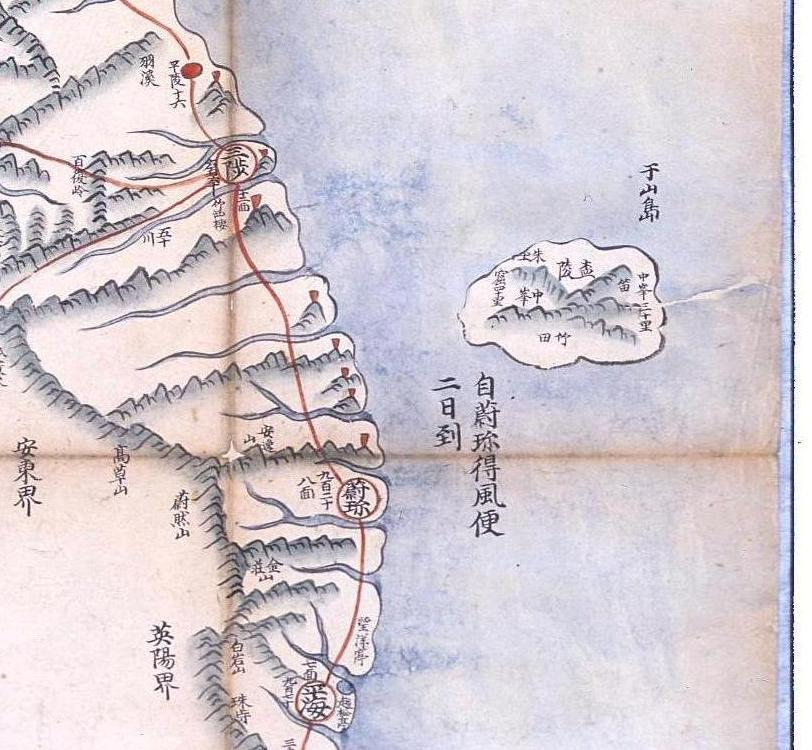
1822 - Jido - Gwandongdo (地圖 - 關東圖)

The following map was made in 1822 and is from an atlas entitled Jido (地圖). It is stored in National Library of Korea. The Gwandongdo (關東圖) map shows Usando (于山島) just off the northeast shore of Ulleungdo. Usando was the old name for Ulleungdo's neighboring island of Jukdo (竹島), which is just two kilometers off the northern half of Ulleungdo's east shore.


24.9.09
1965 - June 22 - Treaty on Basic Relations between Japan and the Republic of Korea
On June 22, 1965, Japan and South Korea mutually signed the basic Treaty to restore the diplomatic relations. South Korea, claiming as the only existing government on whole Joseon peninsula including North Korea, agreed to demand no compensations, either at the government or individual level, after receiving $800 million in grants and soft loans from Japan as compensation for its 1910–45 Japanese rule in the treaty. Most importantly, the treaty says "Recalling the relevant provisions of the Treaty of Peace with Japan signed at the city of San Francisco on September 8, 1951" in the preface. In other words, Korean government has obligation to follow the San Francisco Treaty, in which Allied Powers clearly concluded that Takeshima/Dokdo/Liancourt Rocks was excluded the sovereignty which Japan should renounce, even though Korean were declined to join the SF treaty because they were not the "Allies".
Treaty of Peace with Japan (Signed at San Francisco, 8 September 1951)
CHAPTER II
TERRITORY
Article 2
(a) Japan recognizing the independence of Korea, renounces all right, title and claim to Korea, including the islands of Quelpart, Port Hamilton and Dagelet.
Japan and the Republic of Korea,
Considering the historical background of relationship between their
peoples and their mutual desire for good neighborliness and for the
normalization of their relations on the basis of the principle of
mutual respect for sovereignty;
Recognizing the importance of their close cooperation in conformity
with the principles of the Charter of the United Nations to the
promotion of their mutual welfare and common interests and to the
maintenance of international peace and security; and
Recalling the relevant provisions of the Treaty of Peace with Japan
signed at the city of San Francisco on September 8, 1951 and the
Resolution 195 (III) adopted by the United Nations General Assembly on
December 12, 1948;
Have resolved to conclude the present Treaty on Basic Relations and have accordingly appointed as their Plenipotentiaries,
Treaty of Peace with Japan (Signed at San Francisco, 8 September 1951)
CHAPTER II
TERRITORY
Article 2
(a) Japan recognizing the independence of Korea, renounces all right, title and claim to Korea, including the islands of Quelpart, Port Hamilton and Dagelet.
History of San Francisco Peace Treaty
1946 - SCAPIN 677 - #1
1946 - SCAPIN 1033 - #2
1947 - SCAPIN 1778 - #3
1949 - Willam J. Sebald's telegram - #4
1949 - A letter from W. Walton Butterworth - #5
1949 - December 29th; 6th Amendment of the Treaty Draft - #6
1950 - July - Commentary on Draft Treaty by the Department of State - #6-b
1950 - August - U.S. Draft of the Peace Treaty - #6-c
1950 - October 26th - USA Answers to Questions Submitted by the Australian Government - #7
1951 - April - May: Joint UK and USA Draft - extra(1)
1951 - June 1 - New Zealand's view - extra(2)
1951 - July 9th - Coversation of Yu Chan Yang with John F. Dulles - #8
1951 - July 19th - The 2nd Conversation between Yu Chan Yang and John F. Dulles - #9
1951 - August - Another letter from You Chan Yang - #10
1951 - August 3rd - Memorandum - #11(On re-ceiving Boggs's memo. I asked the Korean desk to find out whether anyone in the Korean Embassy officer had told him they believed Dokdo was near Ullengdo, or Takeshima Rock, and suspected that Parangdo was too.)
1951 - August - Rusk's Letter - #12
1951 - September 9th - San Francisco Peace Treaty - #13
Korea's Illegal Land Grab from Japan
1952- January: Syngman Rhee Line
After the Installation of Syngman Rhee Line - American documents
1952 - November - Confidential Security Information of USA - #1 ("It appears that the Department has taken the position that these rocks belong to Japan and has so informed the Korean Ambassador in Washington." )
1952 - December - Confidential Security Information of USA - #2( "I much appreciate your letter of November 14 in regard to the status of the Dokdo Island (Liancourt Rocks). The information you gave us had never been previously available to the Embassy. We had never heard of Deen Rusk’s letter to the Korean Ambassador in which the Department took a definite stand on this question.")
1953 July: Confidential Security Information of USA - #3( The United States Government's understanding of the territorial status of this island was stated in assistant Secretary dated August 10,1951.")
1953 - November - Secret Security Information of USA - #4 ("The Liancourt Rocks case appears to have aspects in common with that of Shikotan Island" "Remind the ROK of our previous statement of view (the Rusk letter)")
13.9.09
「竹島問題に関する国際法論文選」出版プロジェクト2009
日本固有の領土である竹島に関する問題は、戦後の混乱期に韓国の帝国主義的領土拡張政策によって軍事的占領された(1954年)ことに端を発し、現在も韓国による不法占拠が60年以上続いています。一義的には領土問題の存在をさえ認めない韓国側の一方的な非友好的態度が非難されるべきですが、同時に事なかれ主義によって積極的に解決しようとしなかた日本政府(密約の存在説もありますが)、そしてそれを許してしまった我々日本国民自身の現在進行形の問題でもあります。さらに、韓国側による積極的なロビー活動により、一次資料の正確な解釈を誤った我田引水的解釈だらけの韓国人研究者の論文に加え、日本側では梶村秀樹氏、堀和生氏等、彼らの主張に沿った偏向論文のみが英文に翻訳され、日本人の研究として世界にばら撒かれているのが現状です。結果としてそのような論文しか目にすることの出来ない世界の研究者は、誤った結論の質の低い論文を執筆せざるを得ない結果となり、領土問題を超えて、東アジア、ひいては世界の学問の信頼を揺るがす大変憂慮すべき事態に陥っています。しかし、韓国側のレベルの低い議論に対し、「相手にするだけ時間の無駄」という無反応の態度を取りることは、「日本は反論するだけの根拠を持たない」という誤ったメッセージを全世界に向けて発していることに他なりません。1905年以前の韓国の竹島に対する実効支配の事実が何一つ無いこと・1906年に日本の領土編入を知った後も抗議(出来る状態であったのに)さえ行わなかったことが既に明らかになっており、日本固有の領土であることが明確である以上、内外に向けて事実を的確に伝える努力を続けることは、この問題に多少なりとも関わった者の責務であると考えます。韓国側のお粗末な論文を払拭するためにも、学術的批判に耐えうる優れた日本の論文を世界に向けて発信する事が求められているのです。
そこで、日本側の研究論文のうち、いくつか選んで翻訳・出版して世界の研究機関等に配布するよう、関係各所に働きかけていくことを考えています。3-5ほどの論文を選ぶとすれば、どれがよろしいでしょうか?さらに研究者や国際法に関係する論文などで推薦がございましたら、随時こちらのコメントセクションに情報をお寄せくださいますよう、お願い申し上げます。
そこで、日本側の研究論文のうち、いくつか選んで翻訳・出版して世界の研究機関等に配布するよう、関係各所に働きかけていくことを考えています。3-5ほどの論文を選ぶとすれば、どれがよろしいでしょうか?さらに研究者や国際法に関係する論文などで推薦がございましたら、随時こちらのコメントセクションに情報をお寄せくださいますよう、お願い申し上げます。
- 秋月望「日韓領土問題再考」竹島独島『明治学院論叢』国際岳研究 16号 1997.3月東壽太郎「国際紛争と地図一」 神奈川法学 第一巻第二号 昭和40年
- 東壽太郎「国際紛争と地図二」 神奈川法学 第二巻第一号 昭和41年
- 植田捷雄「竹島の帰属をめぐる日韓紛争」『一橋論叢』54巻1(1965.7)pp19-34
- 芹田健太郎「竹島問題」『島の領有と経済水域の境界確定』有信堂 1989 pp.225-239
- 芹田健太郎「日本領土の変遷」日本の国際法事例研究(3)『領土』(1999)所収
- 芹田健太郎『日本の領土』中公叢書 2002
- 芹田健太郎「竹島を消すことが唯一の解決策だ」 中央公論2006年11月号
- 太寿堂鼎「竹島紛争」『国際法外交雑誌』第六四巻四・五合併号、1966、105-136
- 太寿堂鼎「領土問題 北方領土・竹島・尖閣諸島の帰属」『ジュリスト』647、1977.9.1
- 高野雄一『日本の領土』(1962年、東京大学出版会)69頁,p.266
- 塚本孝「日本の領域確定における近代国際法の適用事例 - 先占法理と竹島の領土編入を中心に」『東アジア近代史』3号(2000.3)pp.84-92
- 塚本孝「サンフランシスコ条約と竹島」『レファレンス』389(1983.6)pp.51-63
- 塚本孝「平和条約と竹島(再論)」『レファレンス』518(1994.3)pp.31-56
- 塚本孝「竹島領有権をめぐる日韓両国政府の見解」『レファレンス』617(2002.6)pp.49-70
- 朴培根「日本による島嶼先占の諸先例 - 竹島/独島に対する領域権原を中心として」『国際法外交雑誌』105巻2号(2006.8) pp.32-47
- 濱田太郎「竹島(独島)紛争の再検討 一」 法学研究論集 明治大学大学院法学研究科 6号 1997.2月
- 濱田太郎「竹島(独島)紛争の再検討 二」 法学研究論集 明治大学大学院法学研究科 7号 1997.9月
- 濱田太郎「竹島(独島)紛争の再検討 三」 法学研究論集 明治大学大学院法学研究科 8号 1998.2月
- 広瀬善男「国際法からみた日韓併合と竹島の領有権」『明治学院大学法学研究』81号 2007年1月皆川洸「竹島紛争と国際判例」(『国際法学の諸問題 - 前原光男教授還暦記念』1963、慶応通信所収)
- 皆川洸「竹島紛争とその解決手続」『法律時報』1965年9月号
- 横川新「竹島」日本の国際法事例研究(3)『領土』(1999)所収
- 「『竹島』と国際裁判例の動向」 鬼頭誠 / 「インタビュー 小田滋前国際司法裁判所判事に『竹島』問題を聞く」 『読売クオータリー』2008 秋号 通巻第7号 読売新聞東京本社調査研究部 (島根県サイトにあり)
12.9.09
What happened to our "hit counter"?
On both my Blogger sites, Korean Language Notes and here, the "hit counters" have suddenly started over at somewhere around 12,000 hits. It happened a couple of days ago on my Korean Language Notes site, so I assume it happened at around the same time on this site. Before the change, my Korean Language Notes site had close to 50,000 hits, and this site had more than 1.1 million.
11.9.09
Is the Dokdo-Takeshima debate still alive in Japan?
I heard my name mentioned in the video below and am curious to know the background and what is being said. Could someone please give me a brief summary? It may be an old video, but I just found it mentioned in a September 2, 2009 post on Occidentalism.
I apologize for not participating in the debate much this year. I have tried to stay away from the Dokdo-Takeshima dispute mainly because of job-related concerns, but also because I have been busy with other things. Another reason is that I had lost a lot of motivation because Korea has been relatively quiet on "Dokdo" lately, which I think is a good thing. It seems like Japan and Korea have been trying to improve relations, so it did not seem like the right atmosphere to talk about the Dokdo-Takeshima dispute.
Anyway, my school has recently told me they will not be renewing my contract next year, so I feel more comfortable about getting back into the debate. However, I wonder if anyone is still interested? It seems like the debate has died down in both Korea and Japan, for whatever reason. Are Japanese still interested in the debate?
27.8.09
The 21st column “Seeking Truth Based Solely on Facts(実事求是)”
Below is a translation of The 21st column “Seeking Truth Based Solely on Facts(実事求是)” by Prof. Shimojo Masao
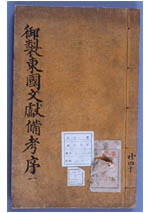
" Refutation against "Analysis of Shimojo Masao's Editorials" by Mr. Park Byeong-seop(朴炳渉)”When the territorial issue is in dispute, historical grounds for its sovereignty is indispensable. Therefore, the fact that the remarks "輿地志云 鬱陵 于山 皆于山國地 于山則倭所謂松島也 ("Yojiji" says that Ulleun and Usan are all Usanguk. Usan is so-called Japanese Matsushima.)" from the "Dongguk Munheon Bigo(東国文献備考)", which South Korea present as her logical base for its sovereignty on Takeshima, was a falsification during the process of compilation of the book in 1770, was a fatal blow to South Korea. Since it makes South Korea had invaded Takeshima, a Japanese territory, without any historical grounds. Korean must have admitted this fact of the falsification, considering they have kept failing to refute "10 Issues of Takeshima" which pointed out this fact of falsification, the pamphlet issued by the Ministry of Foreign Affairs of Japan in Feb.2008.
Actually, refutations by people who side with South Korea just went to the wrong place. For example, Prof. Emeritus Naito(内藤正中) couldn't refute logically, instead, he simply assumed it to be a "Conflicting Theory" in his book "'An Introduction for Takeshima=Dokdo issue ‐ A Criticism for Japan Ministry of Foreign Affairs." As for Mr. Park Byeong-seop(朴炳渉)'s case, he only refuted by a dimension quite different from the historical study. His so-called refutation was, " Ministry of Foreign Affairs quoted Shimojo's editorial without verifying at all. To begin with, Shimojo's editorial is a mistake." ("Dokdo Research", No.4, Yeungnam University) Mr. Park's typical logics can be seen in his article "Analysis of Shimojo Masao's Editorials" (Dokdo research,No.4,2008 (「獨島研究」第4号・韓国嶺南大学校編(Japanese)). In the article, he claimed "What Shimojo wrote" are "often published in the right-wing magazines like ""Shokun !(諸君!)" and "Seiron(正論)". And it draw attention from non-specialists." and concluded that " it will be necessary to watch it carefully in the future. Moreover, it is an interesting point how the relation between he and the Ministry of Foreign Affairs will develop in the future. "
Then, the pamphlet "10 Issues of Takeshima" which pointed out this fact of falsification, by the Ministry of Foreign Affairs of Japan might become the conduct of the "right wing" according to Park's logical style, too. However, what is required for the historical study is to clarify the fact of a more objective history through the adequate document criticism. It is not to misapprehend or deny the historical study itself by labeling my alma mater and Takushoku University, which I'm currently working for, as "Universities of right inclined" or me as "Minority", "Activist" and "Right wing".
Now, I'm going to look into Mr. Park's logic through his editorials if they are correct or not. This time, "Analysis of Shimojo Masao's Editorials" ("Dokdo research", No.4). Next time, ""Meiji Government's Recognition of Takeshima/Dokdo" ("Study of Eastern Asian Culture", No.28 (『北東アジア文化研究』第28号)) published by Tottori College(鳥取短期大学).
Is there really no falsification in the notation of "Dongguk Munheon Bigo", as Mr. Park claimed "There was neither "Fabrication" nor "Falsification" of the historiography as Masao Shimojo advertised " ? In this column, the problem and the argument error of Mr. Park are to be pointed out.(1)Interpretation of "Yojigo(輿地考)"of the "Dongguk Munheon Bigo"
So far, South Korea had used the notation of "Yojigo(輿地考)"of the "Dongguk Munheon Bigo" as her logical base for its sovereignty on Takeshima. It says, "輿地志云 鬱陵 于山 皆于山國地 于山則倭所謂松島也 (Yojiji says that Ulleun and Usan are all Usanguk. Usan is so-called Japanese Matsushima. )", and Korean automatically misread this "Usan" as today's Takeshima/Dokdo without verification and claim that Takeshima/Dokdo was an island belonging to Ulleungdo from the phrase "Ulleun and Usan are all Usanguk".
However, Korean should have had perused the documents "Dongguk Yojiji (東国輿地志)", which supposed to be quoted as annotation, and "Dongguk Munheon Bigo" through document criticism method if she was going to use it as a logical base. However, "Yojiji (輿地志)" was not even an issue in the controversy of Japan-South Korea that had started in the 1950's, then naturally, even a basic research of verifying the compilation process of "Dongguk Munheon Bigo" was not done. This notation became an issue only after South Korea constructed the coming alongside the pier facilities in Takeshima in 1996.
In the process of the controversy started in 1996, the important fact was pointed out.That is, the quotation in "Dongguk Munheon Bigo" and the one from "Dongguk Yojiji (東国輿地志)" by Ryu Hyung-won(柳馨遠) in Dongguk Munheon Bigo’s source book "疆界誌" by Shin Gyong-jun (申景濬) was actually different. In "Dongguk Munheon Bigo"(1770) , it says that "輿地志云 鬱陵 于山 皆于山國地 于山則倭所謂松島也 (Yojiji says that Ulleun and Usan are all Usanguk. Usan is so-called Japanese Matsushima. )", while "東国興地志"(1656) or known simply as "Yojiji(輿地志)" itself actually says that "一説干山 鬱陵 本一島(It is said that Usan and Ulleung were originally one island)". Then, when and at what stage this phrase in "東国興地志"(1656) was altered? Well, it was 申景濬's "疆界誌"(1756), which was the source book of Dongguk Munheon Bigo. In "疆界誌", 申景濬 wrote that "一則其所謂松島而蓋二島倶是于山國也( one of them must be so-called Matsushima and probably two islands are both Usanguk.)" Since then, Usando started to be written as Matsushima(Japanese old name of today's Takeshima).
The fact that "Dongguk Munheon Bigo"(1770)'s annotation says that "輿地志云 鬱陵 于山 皆于山國地 于山則倭所謂松島也 (Yojiji says that Ulleun and Usan are all Usanguk. Usan is so-called Japanese Matsushima. )", is the concrete evidence that quotation from "Yojiji" was actually falcified and created the false sentence. In fact, there is no mention of "Usando was Japanese so-called Matsushima" in original "Dongguk Yojiji".
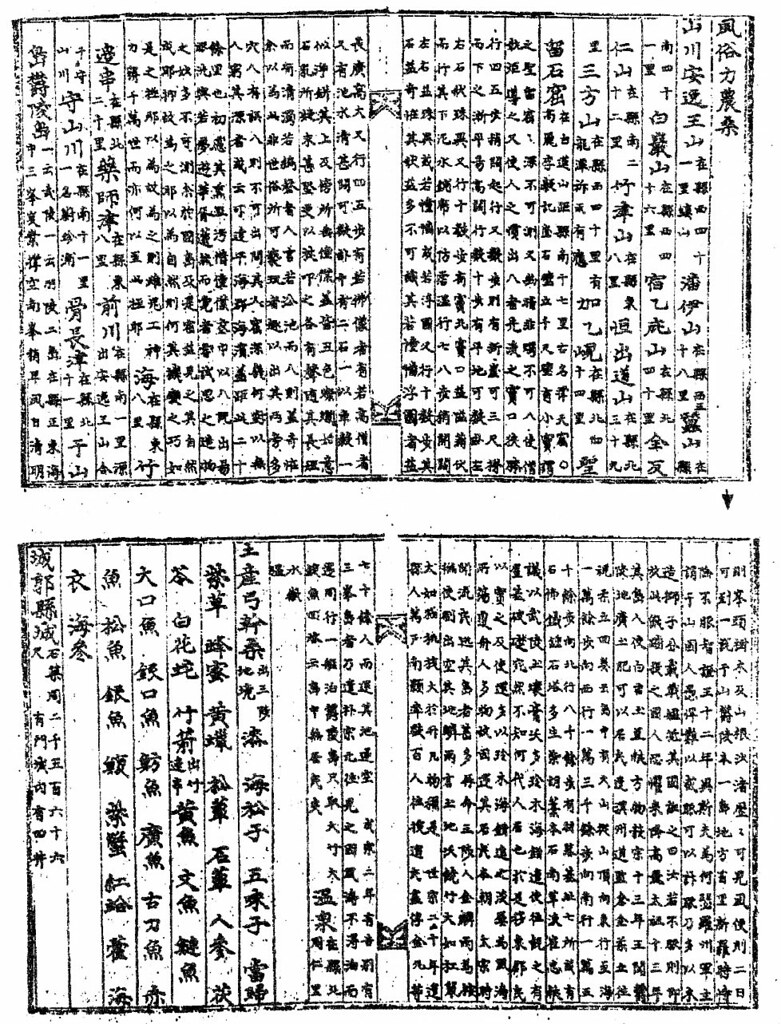
"于山島鬱陵島 一云武陵 一云羽陵 二島在県正東海中 三峯岌嶪撑空南峯梢卑 風日清明則峯頭樹木 及山根沙渚 歴々可見 風便則二日可到 一説干山 鬱陵 本一島 地方百里
(Usando/Ulleungdo are also called both Muleung and U-leung. The two islands are in the middle of the sea due east of the administrative seat. Three peaks shoot straight up to the sky, and the southern peak is a little lower. When it is windy and the weather is clear, you can clearly see the trees on the peaks of the mountains and the sand at their feet. You can travel there in two days with a fair wind. It is said that Usan and Ulleung were originally one island with an area of 100 ri)"(「東国興地志」巻之七 江原道 蔚珍) (Link to the image 1 , 2 )
→ Original + Opinion (The phrase starts with "I think". )1756 - Shin Gyong-jun (申景濬) "疆界誌 旅菴全書" 巻之七 "Ganggyego (彊界考) " 十二 鬱陵島
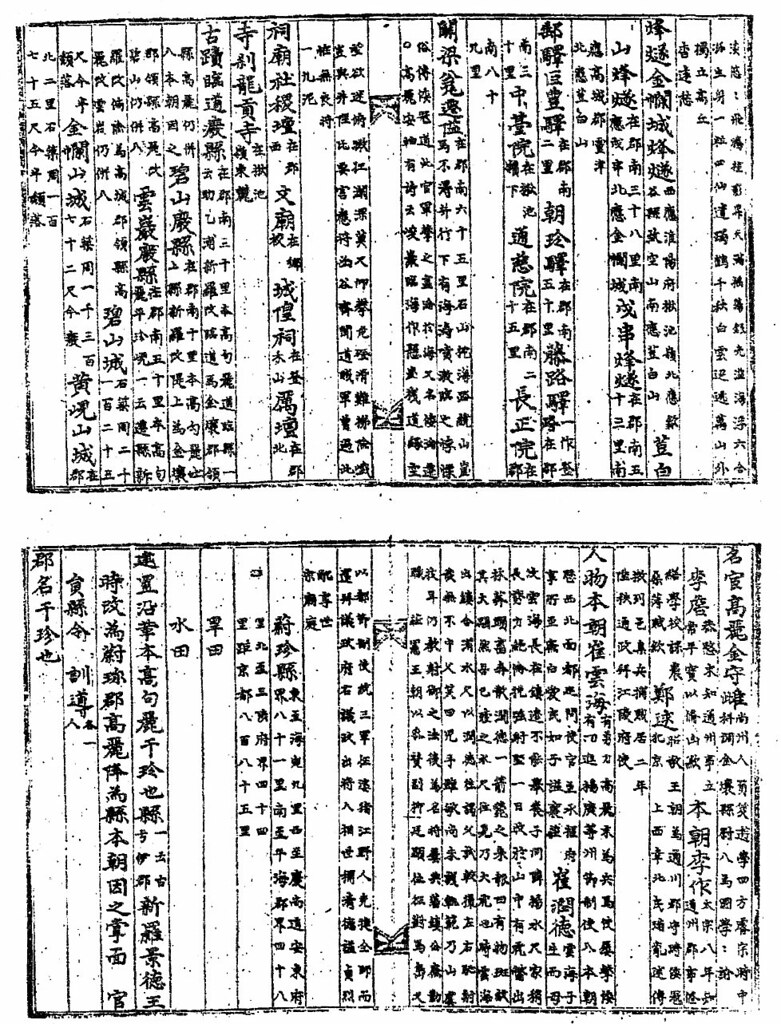
"按 輿地志云 一説于山鬱陵本一島 ( Thinking about Yojiji, it says that Usan and Ulluen are the same island in one theory,) 而考諸圖志二島也 一則其所謂松島 ( But I think, considering many maps, it must be two island and one of them must be so-called Matsushima,) 而蓋二島 倶是于山國也(and probably two islands are both Usanguk.)"→ Fabirication (Replaced the original's phrase with " Ulleun and Usan are all Usanguk."/ Omitted the words "I think" )
1770 - Shin Gyong-jun (申景濬) ・ Hong Gye-hui(洪啓禧) "Dongguk Munheon Bigo(東国文献備考) Yojigo(與地考)"
"輿地志云 鬱陵 于山 皆于山國地 于山則倭所謂松島也 (Yojiji says that Ulleun and Usan are all Usanguk. Usan is so-called Japanese Matsushima. )"Surprisingly, against this fact of fabrication, Mr. Park still insists that "there was no fabrication nor alteration of historical documents as Prof. Shimojo claims." He explains the reason for that as follows.
(*This part was written by translater.)" As for "Dongguk Munheon Bigo(東国文献備考) ", the former part of the phrase (鬱陵 于山 皆于山國地) was the quotation, but the latter part "于山則倭所謂松島也" was Shin's opinion." This is apparent from "Yojiji (輿地志)". Therefore, there was no "fabrication nor alteration" of historical documents as Shimojo says."
However, Mr. Park made two critical failures even in this short sentences. First of all, he actually admitted the fact that the latter part "于山則倭所謂松島也 (Usan is so-called Japanese Matsushima.)" was just a Shin's opinion inserted, while the former part was quotation.
Mr. Park finally admitted that the notation "于山則倭所謂松島也 (Usan is so-called Japanese Matsushima.)" in "Dongguk Munheon Bigo(東国文献備考)" was Shin's opinion, in other words, the whole sentence, which omitted the words "I think", was not original but an alteration. He did inadvertently revealed Korean's secret (fabrication) of almost 300 years and frustrated their own ground for the illegal occupation of Japan's Takeshima.His second failure was that he claimed that as for "Dongguk Munheon Bigo(東国文献備考)", the former part of the phrase was the quotation. This notation "鬱陵 于山 皆于山國地(Ulleun and Usan are all Usanguk)" meant much importance to Korean since it was the logical basis that Takeshima/Dokdo, which they believe to be called as Usando, was adjacent island (属島) of Ulleungdo. On this grounds, Korean have insisted that Takeshima/Dokdo be a Korean territory from the sixth (!?) century.
However, the same sentence with "鬱陵 于山 皆于山國地(Ulleun and Usan are all Usanguk) or similar doesn't even exist in Ryu Hyung-won (柳馨遠)'s "Dongguk Yojiji (東国輿地志)" unlike Mr. Park insisted. The annotation of "疆界誌 " which was compiled by 申景濬, an author of "Dongguk Munheon Bigo(東国文献備考), says that "而蓋二島 倶是于山國也(and probably two islands are both Usan-country.)" and it is the grounds of an argument of the sentence "鬱陵 于山 皆于山國地 (Ulleun and Usan are all Usanguk.)" ("Dongguk Munheon Bigo(東国文献備考)). Accordingly, "鬱陵 于山 皆于山國地 (Ulleun and Usan are all Usanguk.)" in "Dongguk Munheon Bigo(東国文献備考)) has anything to do with Ryu Hyung-won (柳馨遠)'s "Dongguk Yojiji (東国輿地志)". In fact, it was 洪啓嬉's embellishement and composition of annotation of 申景濬's book "疆界誌 "when they compiled "Dongguk Munheon Bigo(東国文献備考). Mr. Park employs sophistry as "there was no "fabrication nor alteration" of historical documents as Shimojo says", but it is just an reckless remark without any grounds.
As was explained so far, Takeshima Issue from historical point of view should be started with the document criticism of 申景濬's "Dongguk Munheon Bigo(東国文献備考). However, Mr. Park's study in his article "Analysis of Shimojo Masao's Editorials" doesn't reach to the document criticism of 申景濬's "Dongguk Munheon Bigo(東国文献備考)". That is because as long as Mr. Park tries objecting by pasting the label like "Shimojo is what (right -wing)", he never reaches the region of " controversy". In fact, his purpose is political propaganda, not "controversy", as he has been working on "Criticism of Masao Shimojo" on his web-site "half-moon castle newsletter". In 2007, he even received a research grant from Korea Maritime Institute, South Korean governmental Organization, to study "Analysis of the conflicting perspectives on Ahn Yong-bok Incident between Japan-South Korea" and "Criticism of Shimojo Masao's claim".
The historical study on Takeshima Issue has gone beyond and already advanced even to the document criticism of 申景濬's "疆界誌" (1756), and the fact that the original text exists in 申's "疆界誌" has revealed. It is Lee Maeng-hyu (李孟休)'s "Chungwanji" (春官志) (1745). "Biography of Ahn Yong-bok(安龍福伝)" and the article "Ulleungdo" in "疆界誌" is plagiarism of the article "Ulleungdo Dispute(欝陵島争界)" "Chungwanji", and in the process, the part which 申 wrote speculation and inserted his opinion in "疆界誌" became the annotation of "Dongguk Munheon Bigo(東国文献備考)" later. Somehow, Mr. Park, who intended to "Analyse Shimojo Masao's Editorials", avoided the argument with Lee Maeng-hyu (李孟休)'s "Chungwanji" (春官志). Why? That is because the relevant part of "Chungwanji" actually defined Usando as Ulleungdo as follows.
1745 - Lee Maeng-hyu (李孟休) "Chungwanji" (春官志)
盖 是島 以其産竹也 故 謂 竹島 以有三峯也 故謂 三峯島 至於 于山 羽陵 蔚陵 武陵 礒竹 皆音 轉 訛而然 也
--------------------------------------------------------------
In general, this island is called Jukdo (竹島) because bamboo (竹) grows on it. It is called Sambongdo (三峰島) because it has "three peaks" (三峰). Usan (于山), Uleung (羽陵), Ulleung (蔚陵), Muleung (武陵), and Wuijuk (礒竹) are all mispronunciations.
As it is clear from this description, Lee's "Chungwanji" defined Usando as Ulleungdo. 申景濬 wrote speculation "按 輿地志云 一説于山鬱陵本一島 ( Thinking about Yojiji, it says that Usan and Ulluen are the same island in one theory,) "而考諸圖志二島也 一則其所謂松島 ( But I think, considering many maps, it must be two island and one of them must be so-called Matsushima,) 而蓋二島 倶是于山國也(and probably two islands are both Usanguk.)" in "疆界誌" (1756), leading fabricating false sentence "Usando was Japanese Matsushima" , which was in fact his own opinion.
Then, why Shin considered "Usando was Japanese Matsushima"? That is because of Ahn Yong-bok(安龍福), who smuggled himself into Japan and was expelled from The Sea of Karo (加露灘) by Tottori clan in 1696, testified that "松島即子山島、此亦我國地(Matsushima is Jasan-do, which is the land of our country)" to the interrogation after coming back and perjured himself that "Ulleungdo and Matsushima became Joseon territory through the own negotiation to the feudal lord of the Tottori clan". Namely, the metamorphosis of Usando, which was defined as Ulleungdo in Han Baek-gyeom(韓百謙)'s "Dongguk Jiliji(東国地理誌)" and Lee's "Chungwanji", into "Japanese Matsushima" have its origin in Ahn's false testimony.
Shin, who followed Ahn's false statement indiscriminately, even altered the quotation in "Dongguk Munheon Bigo(東国文献備考)" consequently and spread the groundless theory "Usando = Japan's Matsushima". Chung Dong-yu(鄭東愈) of the same period castigated Shin as " has weak-point of making self‐righteousness/far‐fetched opinions and assumes own view to be correct from old times.", while Mr. Park, who was neglectful of the document criticism of "疆界誌", seems to be blind to the historical facts. Therefore, Mr. Park's words "Therefore, there was no "fabrication nor alteration" of historical documents as Shimojo says." is just a thoughtless words of a man of negligent to the document criticism and interpreting the historiography arbitrary.
“実事求是 〜日韓のトゲ、竹島問題を考える〜 第21回 朴炳渉氏の「下條正男の論説を分析する」(「独島研究」第4号)を駁す 下條正男”
Courtesy of Web Takeshima Research Center.
The 22th column “ Refutation against "The Meiji Government's recognition of Takeshima=Dokdo" by Mr. Park Byeong-seop(朴炳渉)””, Part 1, Part 2, Part 3, Part 4
The 21st column " Refutation against "Analysis of Shimojo Masao's Editorials" by Mr. Park Byeong-seop(朴炳渉)”
The 20th column “Act of Folly by "Northeast Asian History Foundation"”
The 16th column ""Dokdo Month" without any historical grounds."
The 15th column " South Korea's Groundless Claim of "Inherent Part of (Korean) Territory"
The 12th column “Northeast Asian History Foundation and Dokdo Research Center's Misunderstanding”
The 10th column " A Blunder of Sokdo(石島) = Dokto(独島) Theory”
The 9th column "Criticism on Dokdo Research Center”
The 8th column “The Historical Facts" The 6th column “Onshu-shicho-goki (隠州視聴合記)" and the "Nihon Yochi Totei Zenzu (日本輿地路程全図)" by Nagakubo Sekisui(長久保赤水)"The 5th column “South Korea’s erroneous interpretation of the document 'Takeshima and Another Island are Unrelated to Japan"
The 4th column “Errors in Educational Video Produced by the Northeast Asian History Foundation (東北アジア歴史財団)."
Reference :
1656 - "Yojiji (輿地志)" by Ryu Hyung-won (柳馨遠) didn't say "Usan is so-called Japanese Matsushima."
1744 - Chungwanji (春官志) - "Ulleungdo is called Sambongdo (三峰島)" (李孟休 春官志 鬱陵島 爭界)
「『竹島紀事』と『春官志』覚書」(下條, 2003) (Japanese)
Subscribe to:
Posts (Atom)